Nitrogen Deficiency vs. Overwatering in Pilea Peperomioides
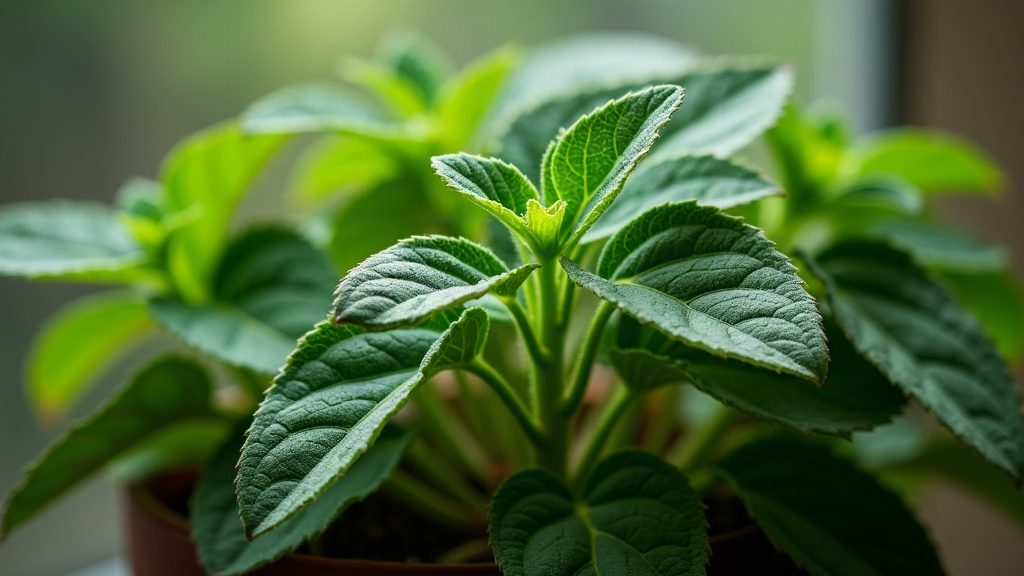
A drooping Pilea peperomioides (Chinese money plant) can mean two very different things: nutrient starvation or root suffocation from too much water. The fastest way to tell them apart? Look at three things together: the pattern of yellowing, how the soil feels, and the condition of the roots. Nitrogen deficiency shows up as uniform pale-green to yellow older leaves on stems that are still firm. Overwatering, on the other hand, gives you soft, droopy, often darker or translucent leaves sitting above soggy, foul-smelling soil.
Why the Confusion Happens
Both problems end up looking almost identical at first glance: sad, drooping leaves. That’s because the plant is stressed in either case and can’t move water and nutrients around efficiently. Here’s the twist though: overwatered roots rot, and rotten roots can’t absorb nitrogen even if there’s plenty sitting right there in the soil. So severe overwatering can actually mimic a straight-up nutrient deficiency. One symptom, two causes. You need more than a glance to figure out which one you’re dealing with.
Signs of Nitrogen Deficiency
- Pattern: Older, lower leaves yellow first, and evenly, not in blotches. New growth usually stays green but can come in smaller than it should.
- Leaf texture: Leaves stay firm. They droop because they’re pale and lightweight, not because the cells are breaking down. Give one a gentle squeeze, it shouldn’t feel mushy at all.
- Growth rate: Growth slows down noticeably, fewer babies (those little plantlets Pilea is famous for), and new leaves come in paler than usual.
- Soil condition: Soil dries out normally between waterings. No smell, no sponginess.
- Common cause: No fertilizer in 6+ months, old depleted potting mix, or a plant that’s been sitting in the same soil for over a year without a single feeding.
Fix: Feed with a balanced liquid houseplant fertilizer (something like 10-10-10 or 20-20-20, diluted to half strength) every 2-4 weeks through spring and summer. You should see a turnaround within 2-3 weeks, with new leaves coming in noticeably greener and fuller.
Signs of Overwatering
- Pattern: Yellowing shows up anywhere, old leaves or new, often with brown or black soft spots. Leaves can even look swollen or slightly see-through (a condition called edema) right before they collapse.
- Leaf texture: Soft, mushy, limp. They droop in a kind of wilted curtain even though the soil underneath is still soaked.
- Soil condition: Stays wet for days on end, sometimes smells sour or musty, and the pot feels surprisingly heavy long after the last watering.
- Roots: Pull the plant out of its pot and look. Healthy roots are white or tan and firm. Overwatered roots turn brown or black, go mushy, and often smell like rot.
- Common cause: Watering on autopilot (every Sunday, no matter what) instead of actually checking the soil, pots with no drainage holes, or a mix that’s gone dense and compacted over time.
Fix: Stop watering right away. Pull the plant from its pot, snip off any black or mushy roots with clean scissors, and repot into fresh, well-draining mix (standard potting soil cut with perlite, roughly 70/30). Make sure the new pot has drainage holes. Don’t water again until the top 2 inches of soil are dry.
A Quick Diagnostic Checklist
- Poke the soil 2 inches down. Dry and crumbly? Points to nitrogen deficiency. Damp or wet? Points to overwatering.
- Touch a drooping leaf. Firm means nutrients. Soft or mushy means water.
- Check the color pattern. Uniform pale yellow on the older leaves means nitrogen. Blotchy, dark, or translucent spots anywhere on the plant means overwatering.
- Give the pot a sniff. Musty or rotten smell means overwatering. No smell at all usually means a nutrient issue.
- When in doubt, check the roots. This is the one test that doesn’t lie. Rotten roots confirm overwatering no matter what the leaves are telling you.
Preventing Both Problems Going Forward
- Water only when the topsoil feels dry. Pilea actually prefers a bit of a dry stretch between waterings, not constant moisture.
- Use a pot with drainage holes and a loose, airy mix (perlite or orchid bark mixed in helps a lot).
- Fertilize lightly, every 2-4 weeks from spring through summer, then pause completely in fall and winter.
- Rotate the pot weekly so light hits all sides evenly. It also forces you to actually look at the plant each week, which means you’ll catch color changes early instead of a month later.
Conclusion
Drooping leaves on your Pilea are a stress signal, nothing more. They’re not a diagnosis by themselves. Check soil moisture, leaf firmness, and root color all together, and the picture gets clear fast. Dry soil plus firm, pale older leaves points to nitrogen deficiency, so feed it. Wet soil plus soft, blotchy leaves and brown mushy roots points to overwatering, so repot and go drier from here on out. Get the cause right early, and your Chinese money plant will keep pumping out those signature round, coin-shaped leaves without missing a beat.