How to Safely Induce and Manage Winter Dormancy in Jewel Alocasias
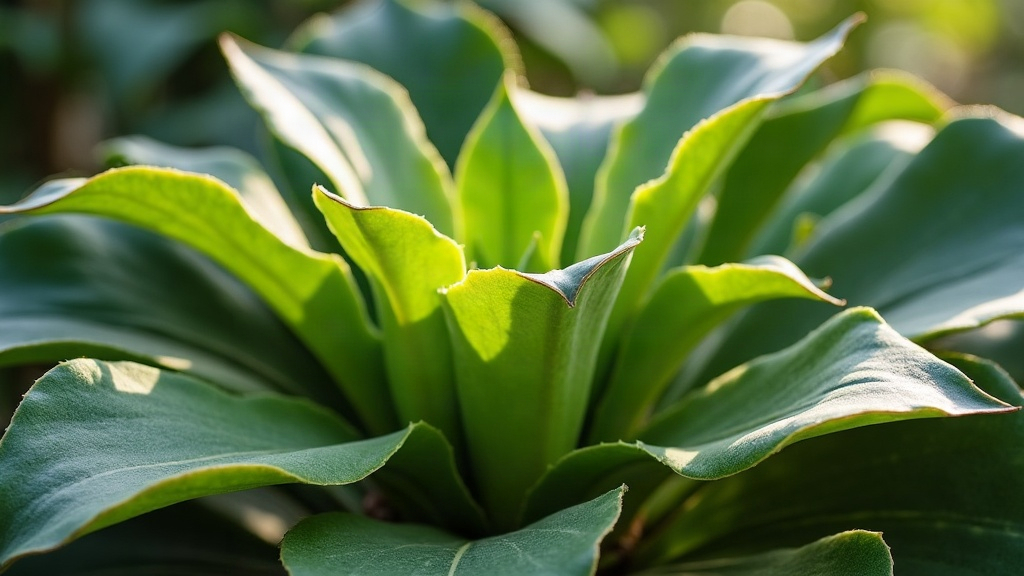
Jewel Alocasias (think Alocasia reginula “Black Velvet,” Alocasia baginda “Dragon Scale,” or Alocasia melo) have a reputation for checking out completely once the weather turns cold and dark. If you’ve watched the leaves go yellow and limp in November and felt your stomach drop, take a breath. Learning to work with this dormancy phase instead of against it is often what separates a plant that comes roaring back in spring from one that quietly rots in its pot.
Why Jewel Alocasias Go Dormant
These aren’t your typical jungle Alocasias that stay lush year-round. In their native range across Southeast Asia, jewel Alocasias evolved around wet-dry seasonal cycles, and they still carry that rhythm even as houseplants thousands of miles from home. When the days get shorter and temperatures dip, something in the plant flips a switch: it stops pushing new leaves and redirects whatever energy it has left into the corm, that bulb-like storage structure sitting just under the soil.
This isn’t a disease. It isn’t a sign you’ve failed as a plant parent. It’s just biology. The real danger isn’t the dormancy itself, it’s soggy soil sitting around a corm that no longer has active roots pulling moisture out of it. That’s when rot sets in, and rot is almost always fatal.
Signs Your Alocasia Is Entering Dormancy
- Older leaves turn yellow and drop, one at a time, almost like clockwork
- New growth slows to a crawl, then stops altogether
- Leaves droop even though the soil is perfectly moist
- Eventually the whole plant vanishes above soil, leaving nothing but a corm
If you’re seeing this pattern sometime between October and February, odds are good it’s seasonal dormancy, not a watering mistake or a pest problem.
How to Safely Induce Dormancy
You don’t need to force anything here. Mostly, you just need to get out of the plant’s way:
- Cut back watering slowly. Let the top 2-3 inches of soil go completely dry before watering again. More Alocasia corms die from overwatering during dormancy than from any other single cause.
- Put the fertilizer away. A dormant plant isn’t using nutrients, so feeding it now just leaves salts building up in the soil, waiting to burn roots later.
- Ease off the humidity a touch. Alocasias crave humidity when they’re actively growing, but a slightly drier environment during dormancy keeps fungal problems at bay.
- Keep things warm and steady. Don’t let the room drop below 60°F (15°C). A cold draft hitting damp soil is basically an invitation for corm rot.
Managing the Plant During Dormancy
Once the last leaf has dropped and you’re staring at bare soil, you’ve got two paths forward.
Option 1: Leave It in the Pot
- Shift the pot somewhere a bit cooler and dimmer, away from heating vents or radiators.
- Water sparingly, maybe once every 3-4 weeks, just enough that the corm doesn’t shrivel from total dryness.
- Resist the urge to repot or poke around in the soil. Let it sit.
Option 2: Dig Up and Store the Corm
Collectors juggling a dozen or more jewel Alocasias often prefer this route, since it frees up shelf space and takes the guesswork out of watering:
- Once the leaves have fully died back, gently lift the corm out of the soil.
- Brush off the excess dirt and let it air-dry for about 24 hours.
- Tuck it into a breathable bag with lightly damp sphagnum moss or perlite.
- Store somewhere dark, between 60-70°F (15-21°C).
- Check on it once a month for mold or signs it’s drying out too much.
Common Mistakes to Avoid
- Repotting the second things look off. This disturbs the corm at exactly the wrong moment, right when it needs to be left alone.
- Watering “just in case.” This single habit probably kills more dormant Alocasias than anything else.
- Parking the pot next to a drafty window or door during the coldest months.
- Tossing the pot because you think it’s dead. Jewel Alocasias can sit there looking like nothing more than dirt for two, three, even four months before a new leaf pokes through.
Reviving Your Alocasia in Spring
Once the days start stretching out again in late winter, keep an eye on the soil for small pink or green nubs pushing up. That’s your green light to:
- Start watering again, lightly and consistently
- Move the plant into brighter indirect light
- Wait until the new leaves have fully unfurled before adding a diluted fertilizer
- Bump the humidity back up gradually as growth picks up
Conclusion
A jewel Alocasia going dormant for the winter isn’t a crisis, it’s just part of how the plant is built. Back off the water, don’t mess with the roots, and keep the temperature steady, and you’ll usually come out the other side with a healthy plant ready to grow. It takes patience, sure. But that bare, leafless pot sitting in your window in January has a decent shot at turning into a gorgeous, fully leafed-out Alocasia by the time April rolls around.