Preventing Winter Leaf Drop in Ficus Benjamina Indoors
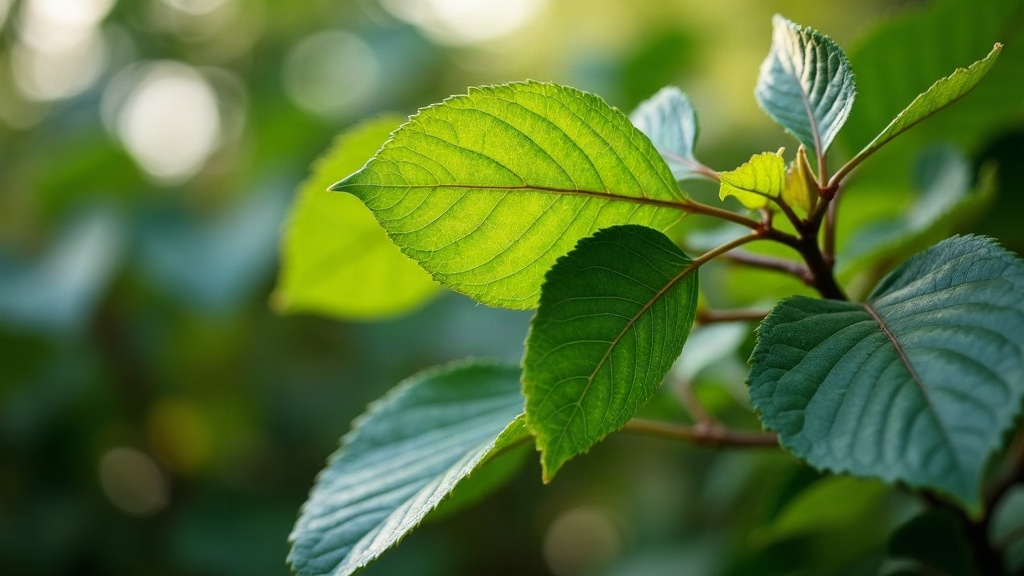
Ficus benjamina, the weeping fig everyone seems to own and then panics about, has a reputation for dropping leaves the second anything in its world changes. Winter is basically a minefield of exactly the changes this plant hates. Here’s the reassuring part: most of that winter leaf drop is avoidable once you stop thinking about single causes and start thinking about the whole “microclimate” around the plant, the mix of light, temperature, humidity, and air movement in that one corner of your living room. Get that combination right on purpose, and your fig can stay fully leafed right through the coldest stretch of the year.
Why Ficus Benjamina Drops Leaves in Winter
This plant reacts to change itself, not just to cold or dry air in isolation. Come winter, several stress factors tend to pile up at once:
- Sudden drops in light as days get shorter and windows stop getting that strong direct sun.
- Dry indoor air from central heating, which can knock humidity down to 15-20%, practically desert conditions for a tropical fig.
- Cold drafts sneaking in from doors, windows, or vents.
- Temperature swings between day and night, or from sitting too close to a heat source.
- Overwatering, because growth slows down and the roots simply aren’t drinking as much.
Any single one of these could set off leaf loss on its own. But it’s almost always the pile-up that causes the dramatic shedding, sometimes half the canopy gone within a week, which is genuinely alarming if you don’t know what’s happening.
Build a Controlled Microclimate: Step by Step
1. Stabilize Temperature (65–75°F / 18–24°C)
Keep the fig well away from:
- Radiators, heating vents, and fireplaces
- Exterior doors that get opened and closed all day
- Single-pane windows that turn cold once the sun goes down
A day-to-night swing of more than about 10°F (5–6°C) is often all it takes to trigger stress-shedding. If your place cools off overnight, just pull the pot a few feet back from the glass. That small shift alone solves a surprising number of cases.
2. Raise Humidity to 40–50%
Dry winter air is usually the biggest culprit of all. A few low-effort fixes that actually work:
- Cluster plants together. Transpiration from neighboring plants raises the local humidity naturally, no gadgets needed.
- Use a pebble tray. A shallow tray with gravel and water sitting under the pot (the pot itself should never touch the water) adds a gentle layer of ambient moisture.
- Run a small humidifier nearby, especially in rooms heated with forced air, which dries things out fastest.
- Don’t rely on misting. It feels productive, but it bumps humidity for maybe ten or fifteen minutes, not the hours your plant actually needs.
3. Maximize Consistent Light
Put your fig in the brightest spot you have, ideally a south- or west-facing window. If natural light just isn’t enough in your space:
- Add a basic LED grow light for 4–6 extra hours each day.
- Resist the urge to rotate it dramatically. Small quarter-turns every few weeks are fine, but don’t suddenly spin the whole canopy to face a new light source, that’s its own kind of shock.
4. Adjust Watering for Slower Winter Growth
Water needs drop sharply once winter sets in. Keep watering like it’s July and you’re combining cold soil with soggy roots, pretty much a guaranteed recipe for leaf drop.
- Water only once the top 1–2 inches of soil have dried out.
- Cut back frequency by roughly 30–40% compared to summer.
- Never leave the pot sitting in a saucer of standing water. Cold, waterlogged roots shed leaves fast.
5. Eliminate Drafts and Air Movement Extremes
Walk the room and check for:
- Gaps under exterior doors
- AC or heating vents blowing straight onto the leaves
- A window that gets opened constantly for “fresh air”
Sometimes moving the plant just 3–4 feet away from a draft source fixes leaf drop that nothing else touched. It sounds too simple, but it works more often than you’d think.
What to Do If Leaf Drop Has Already Started
- Don’t panic-water or fertilize it. That just piles on more stress at the worst possible time.
- Track down the actual trigger (usually a recent move, a new draft, or a temperature shift you didn’t notice).
- Hold steady for 4–6 weeks. New growth typically shows up once the plant settles back in.
- Skip repotting in winter unless the roots are visibly rotting. Repotting is its own shock, and this isn’t the season for it.
Signs Your Microclimate Is Working
- Tiny new leaves popping up along bare stems within 3–4 weeks
- No fresh yellowing or curling leaves
- Soil moisture that stays steady without ever going swampy
Conclusion
Winter leaf drop in Ficus benjamina almost never comes down to one mistake. It’s the combined weight of temperature swings, dry air, inconsistent light, and watering habits still stuck in summer mode. Treat these factors as one connected microclimate instead of a checklist of separate fixes, and you give your weeping fig the stability it needs to hang onto its leaves through the darkest months, then come roaring back with new growth in spring.