Monstera Deliciosa Winter Watering Schedule: A Complete Guide
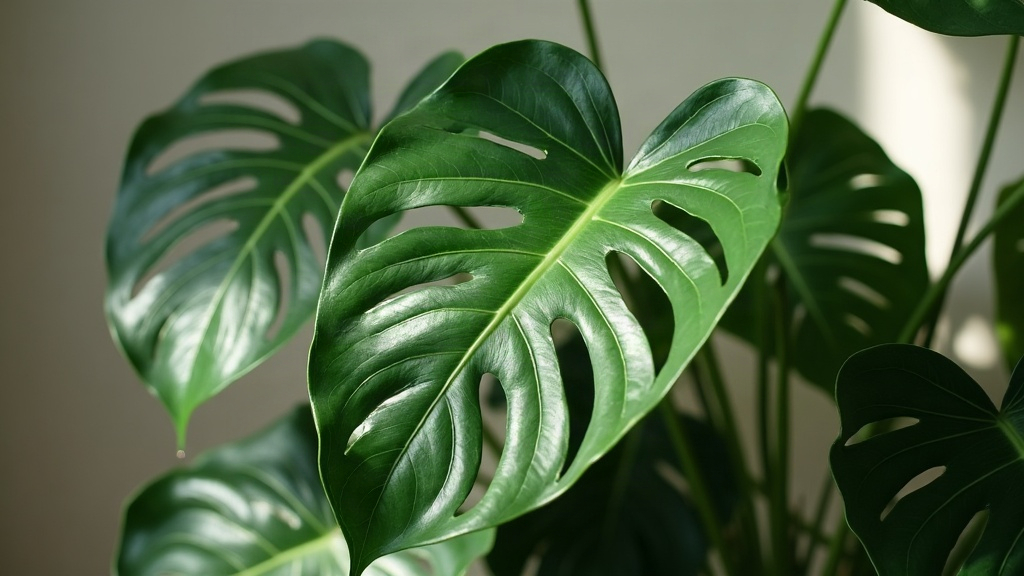
As the days get shorter and the temperature drops, your Monstera Deliciosa hits the brakes. Growth slows way down, and the plant slips into something close to hibernation. That means it needs a lot less water than it did back in July. Getting your winter watering schedule right isn’t just a nice-to-have, it’s honestly one of the best ways to dodge root rot, yellowing leaves, and the general mess that comes with cold-season overwatering.
Why Monstera Growth Slows in Winter
Monstera Deliciosa comes from the rainforests of Central America, where it’s warm and humid pretty much all year. Indoors, though, shorter daylight hours and cooler air tell the plant to pump the brakes and save energy. Photosynthesis slows down, the roots become less active, and the whole plant just isn’t pulling water out of the soil at the rate it did in summer.
Keep watering on your summer schedule and you’ll almost certainly end up with soggy soil that’s starved of oxygen. That’s the single biggest cause of root rot in houseplants once winter hits.
Signs Your Watering Schedule Needs Adjusting
Before you touch anything, check for these dormancy clues:
- New leaves have stopped showing up, or growth has clearly stalled
- Soil stays damp for way longer than it used to after a watering
- Lower leaves go yellow or feel soft and mushy
- The plant looks a bit droopy even though the soil is still wet
Spot two or three of these and it’s time to cut back on how often you water.
How Often to Water in Winter
In a typical home, a Monstera Deliciosa can go every 2-3 weeks between waterings in winter, versus roughly every 7-10 days during the growing season. What tips the scale one way or another:
- Indoor temperature: below 65°F (18°C) and the plant slows down even more
- Pot size and material: terracotta wicks moisture away faster than plastic or ceramic
- Light exposure: less light, less water used
- Humidity levels: dry heater air can nudge soil evaporation up slightly
The Finger Test
Forget the calendar, just check the dirt. Push a finger 2-3 inches into the pot:
- Still moist? Give it a few more days.
- Top 2-3 inches bone dry? Go ahead and water.
- In winter, let at least the top half of the pot dry out before you water again.
If you’re prone to overwatering, a $10 moisture meter pays for itself pretty quickly.
How to Water Correctly During Dormancy
- Water deeply, water rarely. When you do water, soak the soil until it runs out the drainage holes, then dump whatever collects in the saucer.
- Don’t mist as a humidity fix. Misting a lot mostly just invites fungal problems, it barely moves the humidity needle.
- Use room-temperature water. Cold tap water can shock roots that are already sluggish.
- Stop fertilizing. Feed a dormant plant and you risk burning the roots, since it isn’t absorbing nutrients anyway.
Common Winter Watering Mistakes
- Watering on autopilot on a fixed schedule instead of actually checking the soil
- Reacting to droopy leaves with water. In winter, drooping is more often a cold draft or dry air problem, not thirst.
- Using pots with no drainage holes, which leaves excess water with nowhere to escape
- Parking the plant next to a heating vent, which dries the soil unevenly and stresses the roots
Supporting Your Monstera Through Winter
A few other tweaks make a real difference until spring rolls around:
- Keep it away from cold windowpanes and heating vents
- Aim for 50-60% humidity with a humidifier or a pebble tray
- Give it bright, indirect light, a south- or west-facing window is usually ideal
- Wipe the leaves down now and then so they can actually use the light they get
When to Resume Normal Watering
Once days start stretching out in early spring and you spot new growth (a tightly furled new leaf is usually the giveaway), start easing back into your regular routine. Ramp up the frequency gradually over 2-3 weeks rather than jumping straight back to weekly watering.
Conclusion
Adjusting your Monstera Deliciosa’s winter watering really boils down to one rule: let the soil dry out more between drinks, and check before you pour, don’t just guess. Water every 2-3 weeks instead of weekly, pair that with decent light and humidity, and your Monstera will coast through winter just fine, ready to take off again the moment spring arrives.