Force Blooming in Schlumbergera Truncata With Fall Darkness
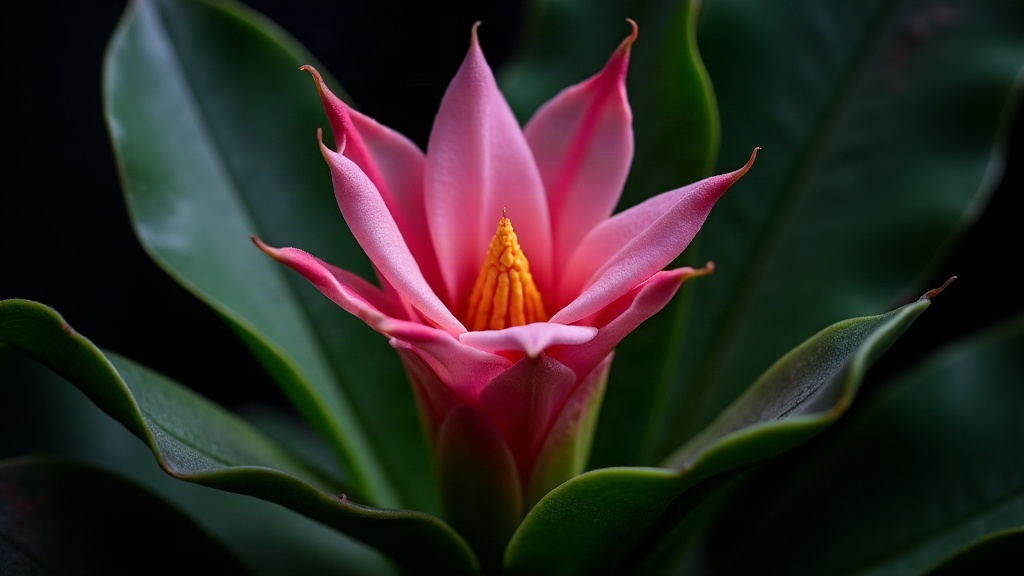
If you want your Schlumbergera truncata (that’s the proper name for a Thanksgiving or Christmas cactus) to bloom right when you want it to, forcing it with fall darkness deprivation is the method most experienced growers swear by. It works by mimicking the plant’s natural short-day trigger: you give it 12 to 16 hours of uninterrupted darkness every night for several weeks in autumn, pair that with cooler nighttime temperatures, and the plant responds by setting flower buds instead of just growing leaves.
Why Darkness Triggers Blooming
Here’s the thing about Schlumbergera truncata: it’s photoperiodic. That means it reads day length and night length to decide when to flower, not temperature alone (though cool nights do help nudge things along). Back in its native Brazilian rainforest habitat, the shortening days of autumn naturally tell the plant it’s time to set buds. The problem is indoor life. A streetlight outside the window, a lamp left on in the evening, even ambient light from a TV in the next room can throw this whole cycle off and stop blooming cold. Honestly, this is the single biggest reason people complain their holiday cactus “never blooms.”
When to Start the Dark Treatment
Start the darkness regimen 6 to 8 weeks before you want to see flowers:
- Thanksgiving blooms: begin around mid-September to early October
- Christmas blooms: begin around early to mid-October
- Easter-blooming varieties: count back 6-8 weeks from Easter Sunday
Don’t stress too much over hitting an exact calendar date. What actually matters is the total number of unbroken dark cycles the plant gets, not whether you started on the 14th or the 17th.
Step-by-Step Darkness Deprivation Method
- Pick a spot that goes fully dark. A closet works. An unused spare room works. Or just drape the plant with an opaque box or black cloth each evening, whatever’s easiest for your setup.
- Give it 12-16 hours of total darkness, every single night. A lot of growers just do 6 p.m. to 8 a.m. and call it done.
- During the day, bright indirect light is fine (and necessary). The plant still needs to photosynthesize normally; this isn’t about starving it of light altogether.
- Keep nights cool, 55-65°F (13-18°C). Cooler temps reinforce the bud signal and can actually speed the whole process up.
- Guard against any light leaking in during the dark window. Even a quick phone-screen glance, a hallway light flicking on, or someone opening the closet door can reset the clock and push blooming back, or kill it entirely for the season.
- Keep this up for 6-8 weeks, or until you spot buds forming at the tips of the stem segments (most people see them within 3-6 weeks).
- Once buds are pea-sized or bigger, go back to normal. At that point darkness isn’t doing anything useful anymore, so move the plant back to its usual spot.
Additional Tips for Reliable Blooming
- Water a little less while you’re running the dark treatment. Let the top inch of soil dry out between waterings, it mirrors the dry season the plant would experience in the wild.
- Cut fertilizer about a month before starting, then switch to a phosphorus-heavy bloom fertilizer once you actually see buds.
- Once buds form, leave the plant alone. No rearranging furniture around it, no moving it to a “better” window. Schlumbergera is famous for dropping buds the second its environment shifts.
- Watch out for drafts from heating vents, AC units, or a chilly windowpane. Stress from temperature swings is a classic bud-drop trigger.
- A bit of humidity goes a long way. Dry winter heating can shrivel buds before they open, so a light misting or a pebble tray nearby helps.
Common Problems and Fixes
Six weeks in and still no buds? Go hunting for light leaks first. That’s the number one culprit, and it’s sneakier than you’d think, even a glowing router light across the room can be enough.
Buds falling off before they open: Nine times out of ten this comes down to temperature swings, overwatering, or moving the plant. Once buds show up, stability is everything.
Flowers open but fade fast: That’s actually normal, a single bloom typically lasts 5-7 days. If you want them to last longer, keep the room on the cooler side.
Conclusion
Forcing a Schlumbergera truncata into bloom really just comes down to recreating what autumn naturally does outdoors: 12-16 hours of total, uninterrupted darkness every night for 6-8 weeks, cooler nights, and slightly less water. Keep conditions steady once the buds appear, don’t fuss with the plant, and you can time a full, gorgeous bloom for Thanksgiving, Christmas, or really whenever you want your holiday cactus to steal the show.