Transitioning Tropical Houseplants from Patio to Indoor Air
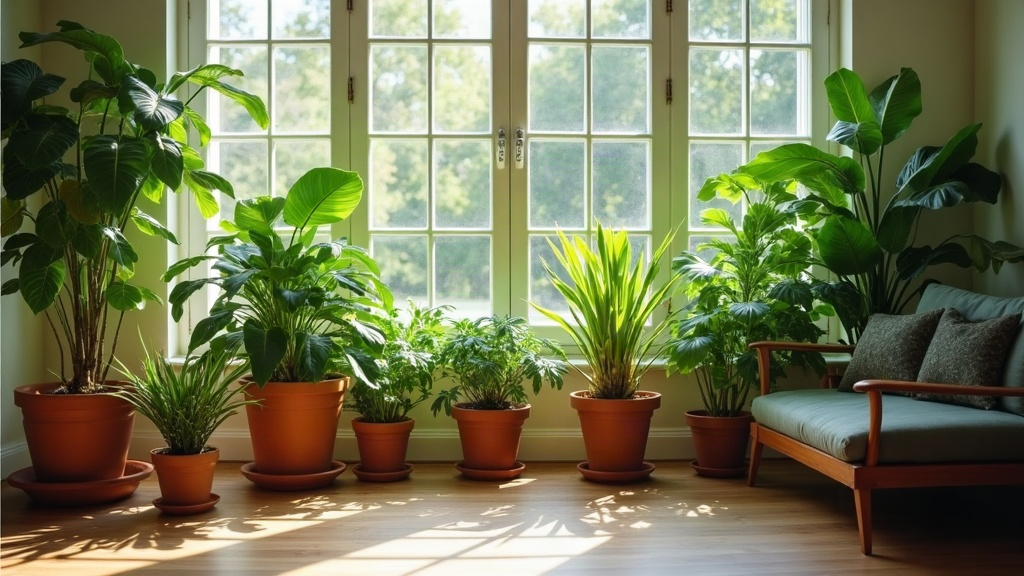
Every autumn, the same scene plays out in living rooms across the country: thousands of tropical houseplants that spent the summer thriving on patios suddenly start falling apart the moment they’re hauled back inside. Leaves yellow. They curl. They drop within days of the move. It’s tempting to blame yourself, but the real culprit is usually an abrupt shift in light, humidity, and airflow that your plants simply weren’t braced for. Moving tropical houseplants from an outdoor summer setup back into dry indoor air isn’t a one-and-done job. It’s a gradual process, and rushing it is where most people go wrong.
Why the Move Indoors Is So Stressful for Plants
Think about what a patio actually gives a plant: bright but filtered light, humidity that swings naturally with the weather, a breeze moving through the leaves, and the occasional soaking rain. Now compare that to a heated living room in October. It’s almost a different planet:
- Humidity drops from a comfortable 60-80% outside to as low as 20-30% once the heat kicks on indoors.
- Light intensity falls off a cliff, even if you place the pot right next to your sunniest window.
- Air stops moving, which lets moisture linger on leaf surfaces and sets the stage for fungal problems.
- Temperature swings hit hard near doors, vents, and any window with a draft.
Put those four things together and you get classic transplant shock: leaf drop, yellowing, wilting, stalled growth. None of it means the plant is sick. It just means the environment changed faster than the plant could adjust.
When to Start the Transition
Don’t wait around for the first frost warning on the news. Start bringing plants in once nighttime temperatures start hovering below 55°F (13°C) for the tougher tropicals, think pothos, philodendron, ficus. More delicate, cold-sensitive species like alocasia, calathea, and ctenanthe need to come in earlier still, as soon as nights dip toward 60°F (15°C). Waiting even a week too long with these can set them back for months.
Step-by-Step: A Gradual Indoor Transition
1. Inspect and Treat for Pests First
Before a single pot crosses the threshold, go over every plant like you’re checking for stowaways, because you are.
- Flip the leaves over and dig a finger into the soil, looking for aphids, spider mites, mealybugs, and scale.
- Give the foliage a firm but gentle rinse with the hose or sink sprayer.
- If you spot pests, treat with insecticidal soap or neem oil, then repeat the treatment a week later.
- If fungus gnats or root pests are a concern, this is the moment to repot with fresh, clean soil.
Skip this step and you’ll likely regret it by November, pest explosions indoors almost always trace back to something that hitched a ride in on a leaf or in the soil.
2. Acclimate to Lower Light Gradually
Moving a plant straight from full outdoor sun into a dim corner (or vice versa) shocks it. Give the transition 7-10 days:
- First, shift the plant to a shadier spot on the patio for a few days.
- Then bring it indoors and place it in the brightest spot you have, just not directly in the blast zone of a heating vent.
- Once settled, rotate the pot every week so it doesn’t grow lopsided, leaning hard toward whatever light source it can find.
3. Address the Humidity Gap
If you only fix one thing, fix this one. Humidity is the single biggest stressor in this whole move. A few practical fixes:
- Cluster plants together. They create their own little humid pocket just by being near each other.
- Set pots on a pebble tray with water underneath, just make sure the roots themselves never sit in water.
- For humidity-hungry plants like calathea, maranta, and ferns, run a small humidifier nearby.
- Skip misting as your main strategy. It feels productive, but it only bumps humidity for a few minutes, not for the hours that actually matter.
4. Adjust Watering and Feeding
Here’s the trap a lot of people fall into: watering on autopilot, the same schedule they used outdoors. Indoors, with less light and cooler air, plants drink far less.
- Wait until the top 1-2 inches of soil are dry before watering again.
- Ease off fertilizer, or stop entirely, until spring. Growth naturally slows down now, so feeding it heavily does more harm than good.
- Double check the drainage holes. Roots that handled soggy soil fine outside in July can rot fast indoors in December.
5. Keep Plants Away from Heat and Draft Sources
Give plants at least 3 feet of breathing room from radiators, heating vents, and doors that open and close all day. A sudden blast of hot, dry air does just as much damage as a cold draft, maybe more.
What Leaf Drop Really Means
A handful of yellowing or dropped leaves after the move? Normal. The plant is simply recalibrating, shedding leaves it can no longer support under lower indoor light. It’s not a death sentence. What should actually worry you:
- Whole stems collapsing, not just individual leaves
- Black, mushy spots, usually a sign of rot
- Total leaf loss happening within 48 hours
If you notice any of that, go straight to the roots and check soil moisture. Don’t reach for more water or fertilizer first, that often makes things worse.
Which Plants Need Extra Care
- Calathea and Maranta: These two are drama queens about humidity. Get a humidifier going nearby and don’t skip it.
- Ficus (rubber plant, fiddle leaf fig): Expect some leaf drop after the move. Annoying, yes. Fatal, no.
- Hibiscus and Mandevilla: Tend to go semi-dormant once indoors, so cut back watering noticeably.
- Succulents brought outside for summer: Flip the script here. They want more light, less water, and a slow reintroduction to dry indoor air, basically the opposite playbook from the tropicals.
Final Thoughts
If there’s one thing to take from all this: patience beats speed. Moving tropical houseplants from a summer patio into dry indoor air works best as a slow handoff, not a single big move. Check for pests first, ease plants into dimmer light step by step, take humidity seriously, and dial back your watering to match the slower pace of indoor growth. A little leaf drop along the way is nothing to panic over. Stick with steady, consistent care, and most tropical plants settle in just fine, often bouncing back to healthy growth well before winter even wraps up.