Reviving a Peace Lily After Overwatering Stress: Full Recovery Guide
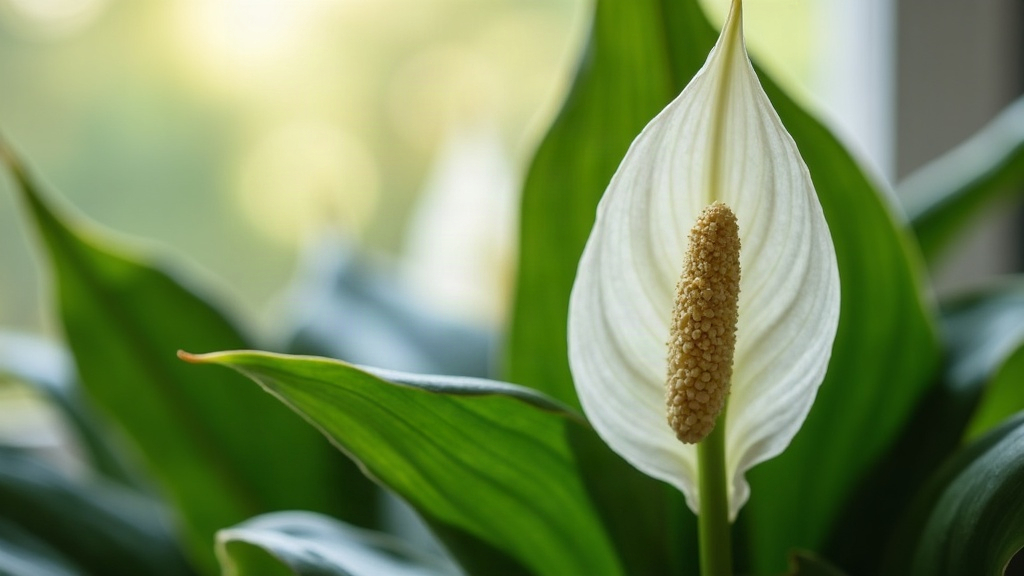
If your peace lily is drooping, turning yellow, or the soil smells a bit swampy, overwatering is almost always to blame, not underwatering, even though sagging leaves scream “thirsty” at first glance. Reviving a peace lily after overwatering stress means moving fast: cut the water, check the roots, and give the plant a drier, better-draining setup so it can grow healthy roots back.
Why Overwatering Hurts Peace Lilies So Fast
Peace lilies (Spathiphyllum) shrug off low light and inconsistent care pretty well, but their roots hate sitting in wet soil. When the soil stays soggy for too long, a few things go wrong at once:
- Oxygen can’t get to the roots, so they basically suffocate.
- Fungal pathogens like Pythium and Phytophthora start multiplying and cause root rot.
- Damaged roots lose the ability to pull up water and nutrients, so the plant wilts even while sitting in soaked soil.
That’s the confusing part: an overwatered peace lily often looks exactly like a dehydrated one. Droopy leaves with yellow tips practically beg you to grab the watering can, when what the plant actually needs is a long dry-out period.
Signs Your Peace Lily Is Overwatered
- Yellowing leaves starting from the base or center of the plant
- Soft, mushy, or brown-black stem bases
- Soil that stays damp no matter how long you wait
- A sour, swampy smell rising from the pot
- Leaves that stay droopy even right after watering
- Mold or fungus gnats hovering around the soil surface
Step-by-Step Recovery Plan
1. Stop Watering Immediately
Let the soil dry out completely before you do anything else. Move the pot to a spot with bright, indirect light and decent airflow so evaporation speeds up. A ceiling fan on low or a spot near an open window works fine.
2. Remove the Plant and Inspect the Roots
Slide the peace lily out of its pot, gently, don’t yank it. Healthy roots feel firm and look cream to tan. Rotten ones are brown or black, mushy to the touch, and often smell bad.
- Mild cases: Most roots look fine, just a few soft tips here and there? Snip only the damaged bits with sterilized scissors.
- Severe cases: More than half the root system rotted? Cut away every blackened root until you hit firm, white tissue. Don’t panic if that means removing a big chunk of the root ball. Peace lilies can regrow roots from a healthy crown, even from a fairly small one.
3. Trim Damaged Foliage
Cut off yellow, mushy, or collapsed leaves and stems. This isn’t just cosmetic. It stops the plant from wasting energy trying to keep dying growth alive, so it can put that energy into rebuilding roots instead.
4. Repot in Fresh, Well-Draining Soil
Don’t reuse the old, waterlogged soil. It’s probably crawling with fungal spores at this point. Grab a fresh potting mix made for aroids, or mix your own:
- 2 parts standard potting soil
- 1 part perlite or orchid bark
- A small handful of horticultural charcoal (it helps ward off future fungal problems)
Pick a pot with drainage holes that’s only slightly bigger than the root ball. An oversized pot just holds more moisture than the roots can use, and that’s how you end up right back where you started.
5. Optional: Fungicide Treatment
If you saw visible root rot, try rinsing the roots in a diluted hydrogen peroxide solution (1 part 3% hydrogen peroxide to 3 parts water) before repotting. It knocks back lingering fungus without harming the plant itself.
6. Water Correctly Going Forward
- Water only when the top 1 to 2 inches of soil feel dry to the touch.
- Always dump excess water out of the saucer. Peace lilies genuinely hate “wet feet.”
- In cooler months, space out your watering even more since evaporation slows way down.
How Long Does Recovery Take?
Mild overwatering stress usually clears up in 1 to 2 weeks once you fix the watering routine. Severe root rot is a longer haul, think 4 to 8 weeks, and new leaf growth is the clearest sign the plant has turned the corner. Skip fertilizer during this window. Stressed roots can’t process nutrients well, and feeding them now can burn what’s left of the root system.
Preventing Future Overwatering
- Use a finger test or a moisture meter before watering. Watering on a fixed schedule (every Sunday, say) is exactly how this problem starts.
- Stick to pots with drainage holes. Decorative pots without holes are fine only as a cachepot that the nursery pot sits inside.
- Pay attention to how the leaves droop, since peace lilies also wilt dramatically when thirsty. Learn the difference: overwatered droop feels soft and yellowed, underwatered droop feels dry and crispy at the edges.
Conclusion
Reviving an overwatered peace lily boils down to three moves: stop watering, cut away the rotten roots, and repot into fresh, fast-draining soil. Give it drier conditions and a bit of patience, and most peace lilies bounce back within a few weeks, glossy green leaves and white blooms included.