How to Safely Rehydrate a Severely Shrivelled String of Pearls
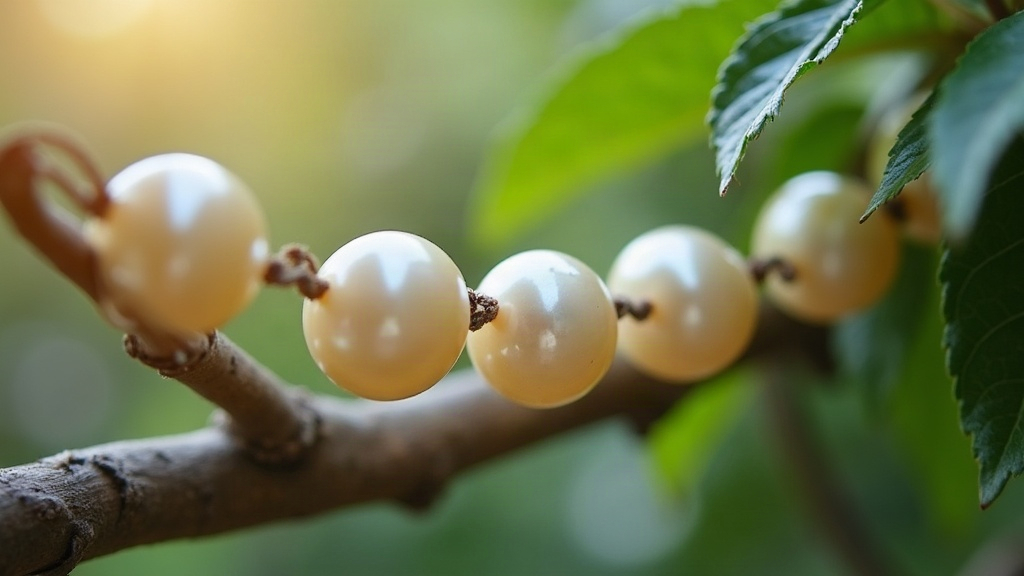
A severely shrivelled String of Pearls (Senecio rowleyanus) can look like it is past saving. Nine times out of ten, though, the plant is just thirsty. The pearls wrinkle and deflate because their internal water stores have run dry. The real danger is not the drought. It is the rescue attempt. If you drench a parched plant while its soil is still soggy, stem rot can finish it off within days. This guide walks through a safe rehydration routine: reading the leaves first, then choosing between bottom watering and a short water therapy session.
Why Your String of Pearls Shrivelled (and Why Rot Is the Danger)
Every pearl is a tiny water tank. Skip a few waterings and those tanks empty out. The pearls go wrinkled, deflated, and sometimes faintly translucent. Overwatering causes the same sad look, but for a different reason. The roots suffocate, rot sets in, and the plant stops pulling up water. So a rotting plant can look shrivelled too.
Before you add a single drop, figure out which problem you are dealing with:
- Underwatered: Pearls are wrinkled but still have some firmness. The soil is bone dry and has pulled back from the pot edge. Stems stay plump.
- Overwatered / early rot: Pearls are mushy, yellow, or burst when you pinch them. Stems look dark or slimy right at the soil line. The soil is damp, or it smells musty.
Already mushy and rotting? Skip the rehydration and propagate the healthy strands instead. But if the plant is dry and deflated while still structurally sound, you can proceed, carefully.
Step 1: Inspect the Roots Before You Water
The most important step is confirming the roots can actually take up water. Gently lift the plant and check what is down there:
- Healthy roots: White or light tan, firm when you touch them.
- Dead or rotted roots: Brown, black, mushy, or hollow. Sometimes they smell foul.
Trim any rotten roots with clean, sharp scissors. Dust the cuts lightly with cinnamon, which works as a natural antifungal. Then repot. If most of the root system is already gone, stop thinking “rehydration” and start thinking “cuttings.” A rootless stem has nothing to drink with, so root it fresh instead.
Step 2: Choose the Safest Rehydration Method
Option 1: Bottom Watering (the Gentle Default)
If the pot still holds at least some healthy roots, bottom watering is your friend. It rehydrates slowly and keeps the crown and stems dry. That dryness is exactly what prevents stem rot.
- Set the pot in a tray or bowl of room-temperature water, about 2 to 3 cm deep.
- Leave it for 15 to 30 minutes, or until the top of the soil feels lightly damp.
- Lift the pot out and let it drain fully in the sink for 10 to 15 minutes.
- Never leave the pot standing in water. Soggy soil is how rot begins.
The goal is evenly moist soil, not saturated soil. If the water disappears fast and the plant still looks dry, resist the urge to keep pouring. Repeat the soak in 3 or 4 days instead.
Option 2: Water Therapy for Critical Cases
Sometimes the soil has gone hydrophobic. Water beads up on the surface and runs straight down the sides, never reaching the roots. In that situation a short water therapy session rehydrates faster.
- Coil a healthy strand so the cut or root end sits in a shallow glass of clean water. Keep the pearls themselves above the waterline.
- Leave it for 6 to 24 hours, no longer. Extended soaking suffocates the tissue.
- Move the strand into fresh, gritty soil afterwards. Do not leave it in water permanently.
Water therapy is an emergency measure, not a growing method. If pearls turn translucent or yellow, they have absorbed too much. Pull the strand out immediately.
Step 3: Set Up Rot-Proof Conditions
Rehydration only works if the environment lets the plant dry between drinks.
- Soil: Use a fast-draining mix of roughly 50% cactus soil and 50% perlite or pumice. Standard potting soil holds water too long.
- Pot: Pick a pot with drainage holes, ideally terracotta. Terracotta wicks moisture away from the roots.
- Light: Bright, indirect light for 6 to 8 hours a day. Sunlight helps the plant actually use the water. A dark room plus wet soil equals rot.
- Airflow: Give the plant some gentle air movement. And never mist a String of Pearls. Water sitting on the beads invites fungal problems.
Signs Your Rehydration Is Working
- Pearls plump up and turn round and glossy within 24 to 48 hours of watering.
- Wrinkles smooth out gradually, starting at the base of the stems.
- The plant feels firmer and slightly heavier when you lift the pot.
If nothing changes after a week, or if more pearls turn yellow and drop, stop watering. Check the roots again and propagate the healthy strands.
Common Mistakes That Cause Stem Rot During Rehydration
- Watering on a fixed schedule instead of waiting for dry soil and lightly wrinkled pearls.
- Top-watering onto the crown, which traps water between beads and stems.
- Using a decorative pot with no drainage hole.
- Soaking for hours in standing water, which drowns the roots.
- Trying to rehydrate a plant that was already rotted, which only spreads the damage.
Bottom Line
Confirm the roots are alive first. Then rehydrate gradually with bottom watering, or a short water therapy session in a genuine emergency. Between waterings, let the plant dry out thoroughly in fast-draining soil. A dry, wrinkled String of Pearls is far more forgiving than a waterlogged one. When in doubt, water less and watch how the pearls respond.