Echeveria Sunburn & Heat Stress: How to Spot and Reverse It
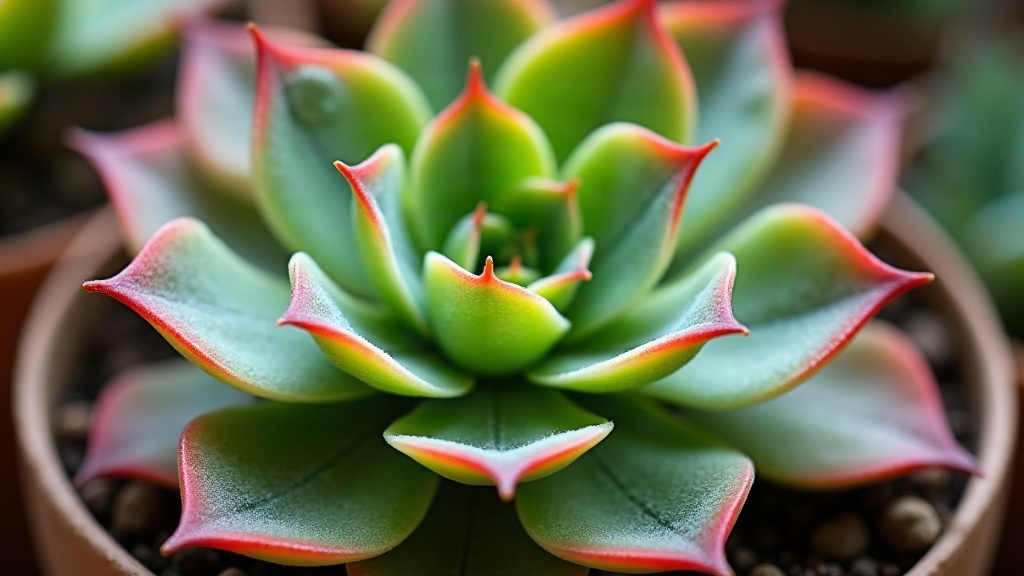
Echeveria succulents crave bright light, no question there. But crank up the sun too much, or hit them with a sudden heat spike, and those plump leaves can scorch fast. If you’re looking at brown, crispy, or oddly translucent patches on your plant right now, it’s probably sunburn or heat stress. The good news? Most of the time you can stop the damage in its tracks and nurse the plant back to full health with a handful of targeted fixes.
How to Identify Sunburn vs. Heat Stress
These two problems tend to blur together, but if you look closely, they actually show up in pretty different ways.
Signs of Sunburn
- Brown or tan patches, usually on the upper, sun-facing side of the leaves
- Spots that feel dry, papery, almost crispy when you touch them
- Damage that shows up suddenly, often right after a move to a brighter windowsill or a hot patch of sun
- Discoloration that stays put. It doesn’t creep across the leaf, it just sits where the light hit hardest
Signs of Heat Stress
- Leaves going mushy, translucent, or glassy (the opposite of that dry sunburn texture)
- Curling or shriveling, especially on the lower leaves first
- A general wilting or softening that happens even when the soil is still moist
- Leaves dropping at the slightest touch
Here’s an easy way to tell them apart: sunburn leaves a clean, defined scorch mark, almost like a brand. Heat stress, on the other hand, makes the whole plant droop and go limp, like it’s being slow-cooked from the inside out.
Why This Happens Indoors
A lot of growers figure sunburn is strictly an outdoor problem. Not true. Indoor Echeverias can actually be more vulnerable in some ways:
- Magnified light through glass. South- or west-facing windows intensify sunlight considerably, especially during summer afternoons when the angle is brutal.
- Sudden light changes. Shift a succulent from a dim corner straight into a sunny window with zero acclimation period, and the leaves get shocked almost instantly.
- Trapped heat. Windowsills heat up more than people expect, particularly behind glass where airflow is practically zero.
- Watering at the wrong time. Water droplets sitting on leaves under strong sun can act like tiny magnifying glasses, burning pinpoint spots.
Step-by-Step Recovery Plan
1. Move It Out of Direct Light Immediately
The moment you spot scorching, pull your Echeveria back into bright, indirect light for a week or two. A spot just a few feet from the window, out of direct rays, usually does the trick.
2. Don’t Remove Damaged Leaves Right Away
Yes, it’s tempting to snip off those ugly brown spots. Resist it. Damaged tissue still contributes to photosynthesis while it’s alive. Wait until the leaf is completely dry and shriveled, then twist it gently at the base to remove it.
3. Check Soil Moisture
Heat-stressed succulents are frequently dehydrated too. Give the plant a thorough soak, but only once the soil has dried out completely. Watering a stressed plant too soon is basically an invitation for rot.
4. Improve Airflow
Set a small fan nearby, not blasting directly at the plant, just enough to keep air moving. This helps dissipate residual heat and stops moisture from pooling on damaged leaf tissue, which is exactly the kind of environment fungal problems love.
5. Reintroduce Sunlight Gradually
Once you see fresh, healthy growth coming in, start reacclimating the plant to brighter light. Slowly:
- Begin with just 1-2 hours of gentle morning sun
- Add roughly 30 minutes of exposure every few days
- Watch closely for any new scorch marks, and if they appear, pull back immediately
Preventing Future Sunburn and Heat Stress
- Hang sheer curtains to soften that intense afternoon sun.
- Rotate the pot every week or so, so one side isn’t constantly baking.
- Keep succulents off hot glass in summer, don’t let the pot touch the window.
- Water early morning or evening, never in the middle of peak sun hours.
- Ease new or recently repotted plants into bright spots over a week or two rather than tossing them straight into full sun.
When to Worry
Honestly, mild sunburn almost never kills an Echeveria. It’s mostly cosmetic, and new growth eventually covers it up. But if more than half the rosette has turned mushy, translucent, or started collapsing, that’s a different story. That level of damage usually points to heat stress combined with rot, and at that point you’re looking at removing the affected leaves and possibly repotting into fresh, dry soil.
Conclusion
Sunburn and heat stress show up a lot in indoor Echeverias, but neither one has to be a death sentence. Catch it early: dry, brown patches mean sunburn, mushy or glassy leaves mean heat stress. From there, pull the plant out of direct light, be careful with watering, and ease it back into brighter conditions slowly instead of all at once. Give it time. Most Echeverias bounce back completely and go right back to producing those tight, colorful rosettes you fell for in the first place.