Eliminating Persistent Fungus Gnats When Moving Plants to LECA
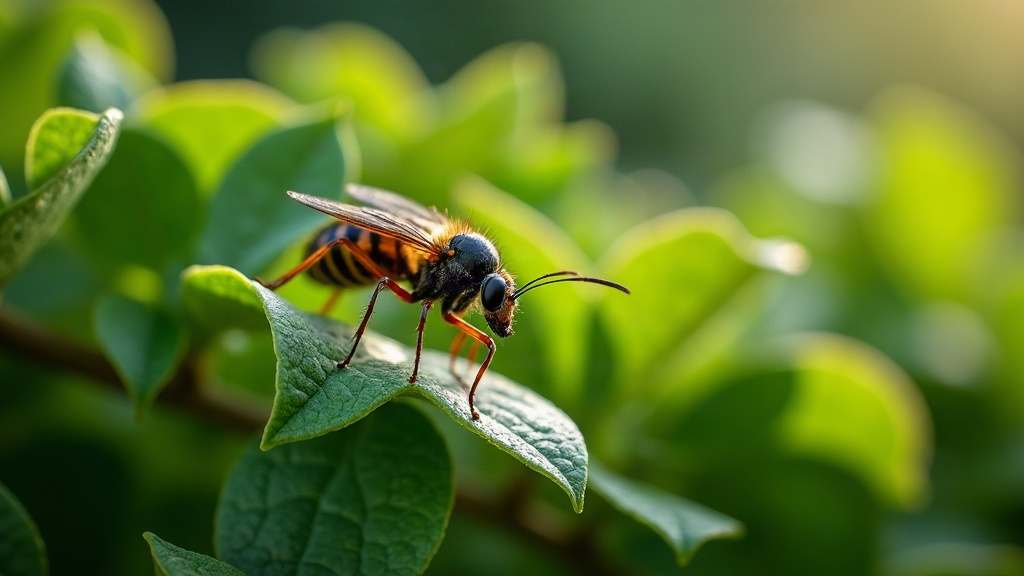
Fungus gnats can absolutely survive a switch to LECA, and if you’ve ever wondered why your “clean” semi-hydro setup still has tiny flies bouncing around the window, this is probably why. Skip a thorough root cleaning, skip disinfecting your containers, or let that reservoir stay wet around the clock, and the larvae just pack up and move from soggy soil to damp clay balls. They don’t care what the medium is called. Getting rid of them for good means hitting every stage of their life cycle, not just swatting the adults buzzing around your pots.
Why Fungus Gnats Survive the Transition to LECA
A lot of plant owners figure that switching to LECA is basically an automatic fix, since there’s no organic soil left for larvae to munch on. That logic makes sense on paper. In practice, though, gnats find ways to stick around:
- Root residue carries larvae and eggs. Skip a thorough rinse and you’re basically hand-delivering larvae straight into the clay.
- The reservoir never dries out. These larvae need constant moisture to survive. If the water under the roots never drops, you’ve just rebuilt the same swampy conditions they loved in soil, minus the dirt.
- Algae and gunk build up on the LECA itself. Give it a few months and decaying root bits, algae, and mineral salts form a slimy film on the clay balls, which is exactly what larvae want to eat.
- Your other plants are reinfecting the LECA ones. Adult gnats don’t respect pot boundaries. One soil-grown plant sitting three feet away can keep reseeding your “clean” setup indefinitely.
- Old containers never got disinfected. Eggs and pupae tuck themselves into scratches, residue, and seams on reused pots and trays, waiting it out.
Step-by-Step Elimination Process
1. Strip and Clean the Roots Completely
Before you repot into LECA, get every trace of old soil off the root ball, and do it under running water. Work the roots apart gently with your fingers, keep rinsing, and don’t stop until the water coming off them runs clear. Even a small clump of leftover soil is enough real estate for larvae and eggs to hide in.
2. Trim Damaged or Rotting Roots
Larvae love decaying tissue, including your plant’s own dying roots. Grab sterilized scissors and cut away anything mushy, brown, or black, keeping only the firm, healthy sections. You’re removing their buffet and lowering the odds of root rot in the new setup at the same time.
3. Disinfect LECA, Pots, and Trays
- Boil your LECA, new or reused, for 15 to 20 minutes to knock out any pathogens or hitchhiking pests, then give it a good rinse.
- Wash net pots, decorative outer pots, and reservoirs in a diluted bleach solution (roughly 1 part bleach to 9 parts water), then rinse thoroughly.
- Let everything air dry fully before you put it all back together. Don’t rush this part.
4. Let the Transition Period Work in Your Favor
In the first few weeks after moving to LECA, your plant’s roots are adapting, and they actually do better with slightly lower water levels (just below the lowest roots, not fully submerged). As it happens, that drier zone around the root crown is also miserable for gnat larvae, since they rely on surface moisture to survive.
5. Use Sticky Traps to Monitor and Catch Adults
Stick yellow sticky traps just above the soil or LECA line to catch adults before they get a chance to lay more eggs. Check them weekly and swap them out. If your catch count suddenly drops, that’s a real sign the tide is turning.
6. Apply a Biological or Mineral Treatment
- Mosquito bits (BTI): Soak a small amount in your reservoir water. The bacteria involved (Bacillus thuringiensis israelensis) go after gnat larvae specifically and leave your plant alone.
- Hydrogen peroxide rinse: Mix 3% hydrogen peroxide with water at a 1:4 ratio and pour it through the LECA. It kills larvae on contact through oxidation, fizzes for a bit, and then it’s done, no lingering effect on the roots.
- Cinnamon or neem on the surface: If your setup has a top layer of moss or bark, a light dusting of cinnamon helps keep fungal growth down, and less fungus means less to attract gnats in the first place.
7. Isolate New or Soil-Grown Plants
Any new plant coming into the house, or anything still growing in soil, should sit in quarantine for 2 to 3 weeks away from your LECA collection. Skip this step and you’re basically inviting adult gnats to fly over and start the whole cycle again.
Common Mistakes That Prolong Infestations
- Topping off the reservoir every day or two instead of letting it drain down between fills.
- Reusing old LECA straight out of storage without boiling or scrubbing it first.
- Overlooking that one soil plant in the corner that’s quietly breeding the next generation of gnats.
- Focusing only on adult gnats with traps while the larvae keep multiplying in the medium.
Signs You’ve Successfully Eliminated Them
- Two full weeks go by with zero new adults showing up on your sticky traps.
- You lift the LECA balls near the waterline and don’t spot any of those tiny white larvae.
- New root growth looks healthy, with no mushy or blackened tips anywhere.
Conclusion
Fungus gnats only hang around after a LECA conversion when something gives them an opening, leftover soil, standing water, or a buildup of organic gunk. Clean the roots properly, disinfect everything the plant touches, keep an eye on water levels, and bring in targeted treatments like BTI or a hydrogen peroxide rinse, and you can shut down their life cycle entirely. Stay consistent with monitoring for a few weeks, and your LECA system turns into a place where fungus gnats simply can’t get a foothold anymore.