Rescuing an Overwatered Sansevieria: Trim Rot & Repot Guide
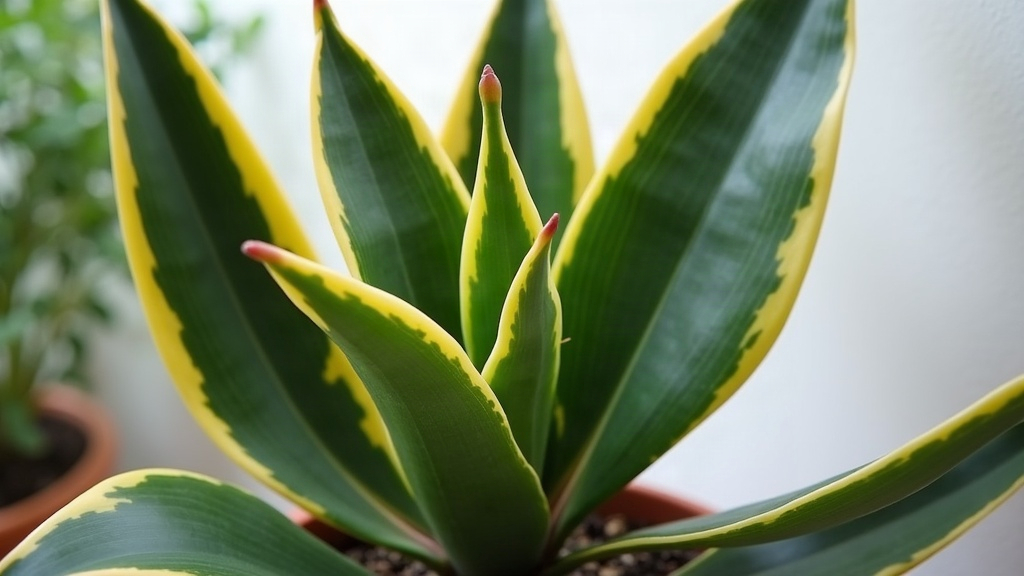
If your Sansevieria (snake plant) has gone soft and mushy, with discolored leaves and a sour smell drifting up from the pot, you’re probably looking at overwatering and root rot. Here’s the reassuring part: snake plants are survivors. Trim away the damaged roots, get the plant into fresh, well-draining soil, and move fast, and you can usually bring it back, even when things look pretty grim. Below is the full rundown: how to confirm the diagnosis, how to perform the rescue, and how to stop this from happening again.
How to Know It’s Overwatering, Not Something Else
Don’t start cutting until you’re sure what you’re dealing with. The telltale signs of an overwatered Sansevieria:
- Mushy, yellow or translucent leaf bases that squish when you press them
- A foul, swampy smell the moment you lift the plant out of its pot
- Dark brown or black roots that feel slimy instead of firm, tan, or white
- Leaves flopping over on a plant that’s normally stiff as a board
- Soil that stays soggy for days, barely drying out between waterings
If the leaves are drooping but still firm and green, you might actually be dealing with underwatering or temperature stress, not rot. Pull the plant and check the roots before you reach for the scissors.
Step 1: Remove the Plant and Inspect the Roots
Tip the pot on its side and ease the plant out, don’t tug it, since rotted roots tear apart with almost no effort. Brush off or rinse the old soil so you can actually see what’s going on down there.
- Healthy roots: firm, pale tan to white, holding together when you touch them.
- Rotten roots: dark brown or black, mushy, hollow, maybe slimy, and usually smelling off.
Take your time separating the rhizome (the thick horizontal stem the roots grow from). That’s the part responsible for pushing out new leaves, so handle it carefully.
Step 2: Trim Away Rot with Clean Tools
Grab sharp scissors or pruning shears, wipe the blades down with rubbing alcohol, and cut away:
- Any root that’s mushy or off-color
- Rhizome sections that are soft, or that look dark inside when you slice through them
- Leaves with rotten, collapsing bases, even if the top two-thirds look perfectly healthy. A rotten base will keep eating its way upward.
Cut back into healthy, firm tissue, and when in doubt, cut a little more than you think you need. Leftover rot doesn’t sit still, it spreads into whatever new growth shows up. Once you’re done trimming, set the cut pieces aside to air-dry, anywhere from a few hours to a full day, somewhere with decent airflow and no direct sun. This callusing step matters: it keeps the fresh cuts from soaking up moisture and rotting all over again.
Step 3: Choose the Right Pot and Soil
Almost every case of Sansevieria rot traces back to drainage. So fix the setup along with the plant, not just the plant:
- Pot: pick one with at least one drainage hole. Terracotta works especially well since it pulls moisture out through the clay.
- Size: go only slightly bigger than the root mass. An oversized pot holds wet soil for way longer than the roots can actually use it.
- Soil mix: skip plain potting soil. Use a cactus/succulent blend, or mix your own:
- 2 parts potting soil
- 1 part perlite or pumice
- 1 part coarse sand
This combination lets water run straight through instead of sitting around the roots.
Step 4: Repot and Water Correctly
Set the trimmed plant into the dry mix, keeping the rhizome at roughly the same depth it was before (don’t bury it deeper than it was growing). Skip the water for now, wait 3 to 5 days so any remaining cuts can fully heal in the new soil. That waiting period cuts down the odds of a repeat infection.
Once you do water:
- Soak it thoroughly until water runs out the bottom, then leave it alone until the soil’s bone dry. Check 2 inches down with a finger, or use a moisture meter if you’ve got one.
- In most homes that works out to watering every 2 to 6 weeks, depending on the season, light levels, and humidity. Sansevieria stores water in its leaves, so it genuinely prefers staying on the dry side.
Step 5: Monitor Recovery
- New growth typically shows up from the rhizome within a few weeks to a couple of months, even if you removed every single leaf.
- If the remaining leaves keep yellowing or softening after repotting, go back and check for rot you might have missed, then trim again.
- Keep it in bright, indirect light while it recovers, and hold off on fertilizer until you actually see new growth coming in.
Preventing Future Root Rot
- Check the soil’s dryness before watering, don’t just water on a fixed calendar schedule.
- Stick to pots with drainage holes, and never let the plant sit in a saucer full of standing water.
- Use a fast-draining succulent soil mix from the start.
- During winter or in lower light, cut back on watering even more, since growth slows way down and the plant simply isn’t using as much water.
Conclusion
Overwatering kills more Sansevieria than anything else, but it’s also one of the most fixable problems out there, as long as you catch it early. Cut out the rotten roots and rhizome tissue, let the cuts callus over, repot in soil that actually drains, and size the pot correctly. That combination gives your snake plant a real shot at bouncing back. Pair the rescue with a disciplined soak-and-dry-out watering habit going forward, and there’s a good chance your Sansevieria rewards you with healthy new growth for years.