Fixing Crispy Brown Edges on Calathea Ornata Leaves
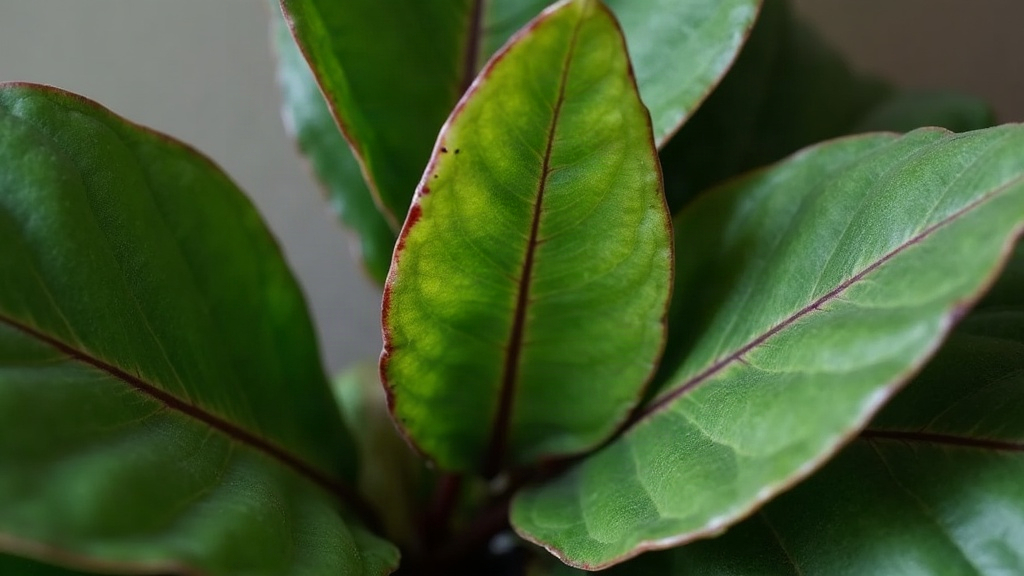
If your Calathea Ornata’s pink-striped leaves are turning crispy and brown at the edges, curling inward like they’re trying to protect themselves, the cause is almost always some combination of low humidity, mineral-heavy tap water, or watering that swings back and forth between two extremes. The good news is that this is one of the most fixable problems in the Calathea world. Nail down the exact cause and correct it consistently, and you’ll see clean growth again within weeks.
Why Calathea Ornata Gets Brown, Crispy Edges
Calathea Ornata comes from humid tropical forest floors in South America, where it grows under a thick canopy with steady moisture in the air and dappled, filtered light overhead. Move that plant into a living room with central heating or air conditioning, and you’ve created a mismatch it wasn’t built to handle. Here’s what typically goes wrong:
1. Low Humidity
This is the number one culprit, hands down. Calatheas want 50-60% humidity or higher. Most homes hover around 30-40%, especially once the heat or AC kicks on. Dry air pulls moisture out of the leaf tissue faster than the roots can resupply it, and the edges (the farthest point from the water source) dry out first and turn brown.
2. Tap Water Minerals (Fluoride, Chlorine, Salts)
Calatheas have a well-earned reputation for being fussy about fluoride and chlorine, both common in municipal tap water. These minerals accumulate at the leaf tips and margins over time, leaving a telltale crispy brown line, sometimes ringed with a faint yellow halo.
3. Inconsistent Watering
Let the soil dry out completely, then drench it, then let it dry out again, and you’re putting real stress on the roots. Damaged roots can’t move water efficiently through the plant, so the leaf edges (the last stop on that journey) show the fallout first.
4. Too Much Direct Sun or Heat
Calathea Ornata wants bright, indirect light, nothing more. Put it in direct sun, or too close to a heating vent, radiator, or a drafty window, and you’ll scorch the margins while also speeding up moisture loss.
5. Fertilizer Buildup
Feed it too often or too heavily, and salts start piling up in the soil. Those salts burn the root tips, and the damage shows up on the leaves as the same kind of brown, crispy edges you’d get from hard tap water.
How to Diagnose the Exact Cause
Work through this checklist in order:
- Look at the pattern. Brown tips showing up evenly across several leaves usually points to water quality or humidity. Browning on just one side of the plant? That’s more likely sun scorch or a cold draft.
- Touch the leaves. Dry and crispy means humidity or water quality. Soft, mushy, dark brown means something else entirely, probably overwatering or root rot.
- Check the soil. Has it been bone dry for days, or has it stayed soggy for a week straight? Both extremes cause the same kind of stress.
- Feel the air. A $10 hygrometer near the plant tells you fast. Anything under 40% is a warning sign.
Step-by-Step Fix
-
Switch your water source. Filtered, distilled, or rainwater is your best bet. Stuck with tap water? Let it sit uncovered for 24-48 hours so the chlorine can evaporate off. That won’t touch the fluoride though, so filtered water still wins if you can manage it.
-
Boost humidity, and do it now.
- A humidifier running nearby is the single most effective fix you can make, full stop.
- Cluster your plants together. They create a shared humid microclimate just by being close.
- Set up a pebble tray with water below the pot, not touching the roots.
- Skip misting as a standalone fix. It fades fast and can invite fungal spots on the leaves.
-
Water on a consistent rhythm. Aim for evenly moist soil, never soggy. Check when the top 1-2 inches feel dry, and make sure the pot actually drains, excess water needs somewhere to go.
-
Move it away from heat sources. Radiators, vents, AC units, drafty windows: all bad neighbors for this plant. Bright, indirect light is the sweet spot. No harsh midday sun.
-
Flush the soil. Suspect a buildup of fertilizer salts or tap water minerals? Run plain filtered water through the pot a few times, letting it drain completely between each pass.
-
Trim the damaged edges. Brown tissue is done, it won’t green up again no matter what you do. Grab clean scissors and trim along the leaf’s natural shape, leaving a thin brown margin if that helps it look tidier. This stops the tear from spreading and just makes the plant look better overall.
Prevention Going Forward
- Check humidity weekly. Keep it above 50% if you can.
- Water on a schedule, not just when the leaves start to droop and panic you into action.
- Go light on fertilizer: half-strength, once a month, growing season only.
- Repot every 1-2 years into fresh, well-draining aroid mix so salts don’t have time to build up.
Conclusion
Crispy brown edges on Calathea Ornata aren’t a death sentence, they’re a signal. Something in the humidity, water quality, or watering routine needs adjusting, that’s all. Figure out the pattern, fix the environment, and trim off what’s already damaged for a cleaner look. Get the humidity stable and switch to filtered water, and new leaves will come in vibrant, full-colored, and edge-free within a few weeks.