DIY Capillary Matting and Wick Systems for Vacation Plant Care
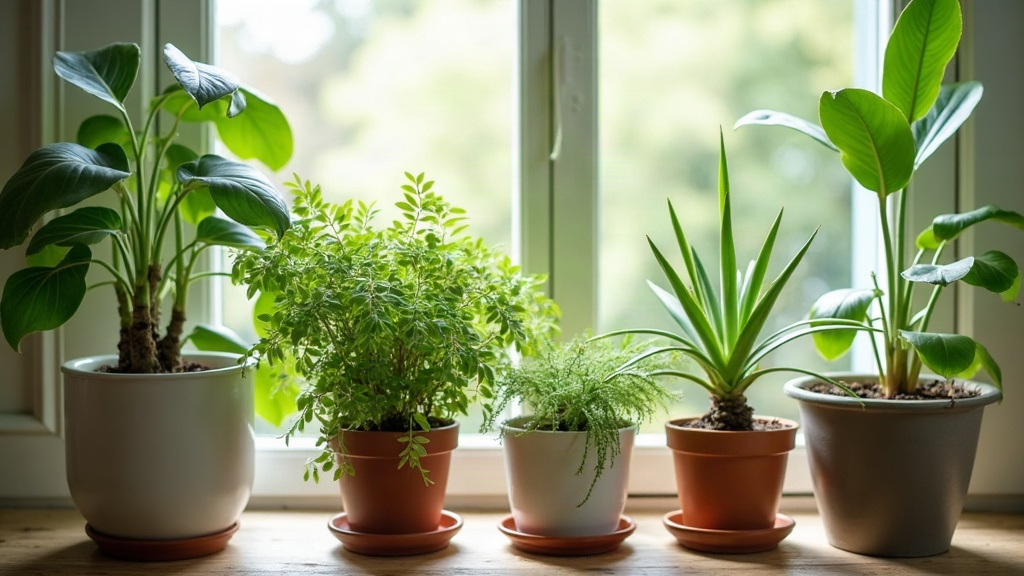
If you’re heading out for two weeks and dreading the thought of wilted houseplants on your return, a DIY capillary mat or wick system is one of the cheapest, most reliable fixes out there. Both methods lean on passive water movement, no pumps, no timers, no electricity, just plain physics doing the work while you’re on a beach somewhere.
How Capillary Action Solves Your Vacation Watering Problem
Capillary action is the same trick that lets a paper towel soak up a spill on your kitchen counter. Water molecules cling to fibers and crawl upward or sideways against gravity, moving from a wet reservoir into drier soil. Get the setup right, and that steady trickle can keep soil evenly moist for 10 to 14 days without you laying a finger on a single pot.
Two approaches dominate:
- Capillary matting – a fabric mat sits in a shallow water tray, and pots rest right on top of the wet mat
- Wick systems – a cord or strip of absorbent material runs from a water reservoir into the pot’s drainage hole and soil
Both work fine. The choice really comes down to how many plants you’ve got and how they’re arranged.
Building a Capillary Mat System
This one shines when you’ve got several plants clustered together, say on a windowsill or a tiered plant shelf.
Materials needed:
- A large plastic tray, boot tray, or shallow storage bin (waterproof, obviously)
- Capillary matting fabric (garden centers sell it) or a stand-in like old cotton towels, felt, or acrylic yarn matting
- Water
Steps:
- Cut the matting to fit the tray, leaving enough overhang to drape over the edge into a secondary water source if needed.
- Fill the tray with roughly 1 to 2 inches of water.
- Soak the mat through before you put any plants on it.
- Set your pots directly on the wet mat. For best contact, go with plastic nursery pots or ones with larger drainage holes. Pots with tiny holes, or none at all, just don’t pull water efficiently.
- Top off the tray water the morning you leave, filling it as high as you can without submerging the pots themselves.
For a two-week trip, pick a tray deep enough to hold at least a gallon or two, since evaporation and the plants’ own thirst will draw that level down fast.
Building a Simple Wick System
Wicking is the better call for individual pots, or plants scattered around rather than grouped, and it’s particularly handy for pots that don’t sit in trays.
Materials needed:
- Cotton rope, strips of an old t-shirt, or nylon cord (skip synthetic ropes that repel water, they’ll just sit there dry)
- A water reservoir: a bucket, a large jar, or a repurposed water jug, ideally placed higher than or level with the plant
- Scissors
Steps:
- Cut a wick long enough to run from the bottom of the reservoir up into the plant’s root zone, with a few extra inches of slack.
- Push one end a couple of inches into the soil, ideally near the root ball, using a chopstick or pencil to guide it.
- Submerge the other end fully in the reservoir.
- Raise the reservoir slightly above the pot’s soil line if you can. Gravity gives capillary action a boost, though it’s not a dealbreaker if you can’t manage it.
- Fill the reservoir all the way before you head out. A one-gallon container will usually keep a medium-sized pot going for 10 to 14 days.
Testing Before You Leave
Don’t rig up a new wicking or matting system the night before your flight. Give it a trial run of at least 3 to 4 days beforehand and check:
- Whether the soil stays evenly moist (not soggy, not bone-dry)
- Whether the wick material is actually drawing water reliably (some ropes are surprisingly bad at this)
- How fast the reservoir empties, so you can gauge whether it’ll last the whole trip
Common Mistakes to Avoid
- Using pots with no drainage holes on capillary mats. Water just can’t reach the roots efficiently this way.
- Picking a wick that’s too thick or too thin. Thick wicks drown the soil, thin ones barely dampen it. Test with your actual plant first, not a guess.
- Leaving plants in direct, blazing sun. Evaporation ramps up and drains reservoirs way faster than you’d expect.
- Skipping the pre-water step. Start with moist, not soggy, soil so the wick only has to maintain moisture rather than rehydrate soil that’s gone completely dry.
Which Plants Work Best With This Method
Moisture-loving plants like pothos, peace lilies, ferns, and spider plants do great with capillary watering. Succulents and cacti are a different story: they actually prefer drying out between waterings and can rot under constant moisture. For those, it’s smarter to just skip watering before the trip, or tuck them into a drier spot with indirect light instead.
Final Thoughts
A DIY capillary mat or wick system turns ordinary household stuff, towels, rope, a plastic tray, into a dependable, dirt-cheap watering solution for a two-week absence. The trick is testing your setup ahead of time, matching the method to how your plants are grouped, and sticking to water-loving species that genuinely benefit from constant moisture. Put in a little prep work, and you can travel without that nagging worry, coming home instead to houseplants that look better than when you left.