Chunky Aroid Potting Mix: Orchid Bark, Perlite & Coco Coir
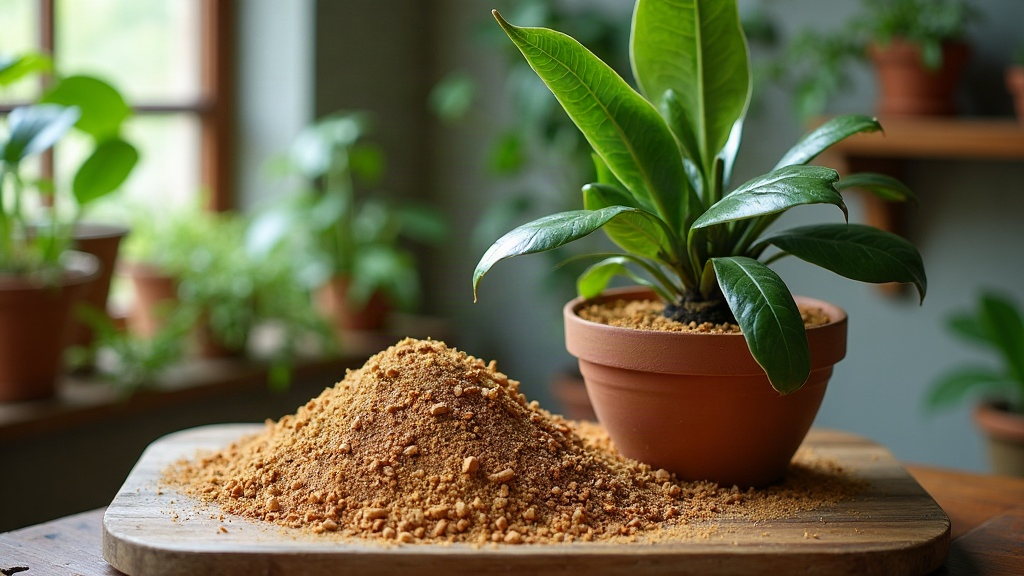
Why Aroids Need a Chunky Potting Mix
Monstera, Philodendron, Epipremnum, Anthurium… in the wild, these plants climb tree trunks and root into loose, airy leaf litter on the forest floor. Their roots want oxygen just as badly as they want moisture. That’s the whole problem with regular bagged potting soil: it’s dense, fine-grained, and compacts fast, which is a pretty reliable recipe for root rot. A chunky aroid mix fixes this by mixing in large-particle ingredients that leave air pockets while still holding onto enough water. Build it yourself with orchid bark, perlite, and coco coir, and you get full control over drainage and moisture, plus it costs a fraction of what you’d pay for a bag labeled “aroid soil” online.
The Core Ingredients and What They Do
Orchid Bark (Fir or Pine)
Bark is what gives the mix its structure. It opens up large air gaps, stops compaction, and basically recreates the woody debris these plants root into out in nature. Medium-grade chunks, roughly ½ to ¾ inch, work well for most houseplant pots. One thing to keep in mind: bark breaks down over a year or two. It adds organic matter as it goes, but eventually you’ll need to top it up.
Perlite
This is the lightweight volcanic glass that handles aeration and drainage without soaking up extra water. It also keeps the whole mix from packing down over time. Go for coarse perlite, not the fine horticultural kind. Coarse stays effective much longer and doesn’t just float up to the surface the first time you water.
Coco Coir
Coir is your moisture buffer. Made from coconut husk, it holds water longer than peat moss, it’s more sustainable to source, and its pH sits close to neutral. It keeps the mix from drying out too quickly between waterings, which matters a lot for thinner-rooted aroids like Philodendron hederaceum.
A Reliable Base Recipe
A well-balanced chunky aroid mix for most common aroids:
- 40% orchid bark (medium grade)
- 30% coco coir (rehydrated from a brick, pre-moistened)
- 20% perlite (coarse)
- 10% optional extras: horticultural charcoal, worm castings, or pumice
Mix the dry ingredients first, then fold in the moistened coir last so everything blends evenly without clumping.
Adjusting the Ratio for Different Aroids
- Thicker-rooted aroids (Monstera deliciosa, Philodendron selloum): bump bark up to 50% and cut back slightly on coir so the mix dries faster.
- Anthurium and Alocasia: these like steadier moisture, so push coir to 35-40%, but keep perlite levels up too so it doesn’t turn soggy.
- Epipremnum (Pothos) and Syngonium: pretty forgiving plants, honestly. The standard 40/30/20 ratio does the job.
Step-by-Step Mixing Process
- Rehydrate coco coir. Soak the compressed brick until it expands fully, then squeeze out the excess water.
- Measure by volume, not weight. A scoop or cup works fine, just stay consistent.
- Combine everything in a large tub or bag. Layer the bark, perlite, and coir, then mix thoroughly with gloved hands.
- Test the moisture. Grab a handful and squeeze: it should feel damp, not drip.
- Pot your plant, tamping gently to close up the big gaps without crushing the mix into something dense.
Common Mistakes to Avoid
- Using fine perlite. It clumps up and loses effectiveness much sooner than coarse.
- Skipping the bark hydration check. Bone-dry bark chunks can actually pull moisture away from roots at first, so pre-moisten if it’s very dry.
- Overdoing the coir. Too much coir and not enough bark or perlite gives you a dense, waterlogged mix, which defeats the whole purpose.
- Reusing old mix forever. Bark loses its structure after 12-24 months. Refresh it or repot into fresh mix before that happens.
Signs Your Mix Is Working
- Water runs through the pot within seconds of watering, no pooling.
- The top layer dries out within 3-5 days (this varies depending on plant and room conditions).
- Roots look white and firm, and you can see them pushing into the bark chunks if you’re using a clear nursery pot.
Conclusion
A custom chunky mix made from orchid bark, perlite, and coco coir gives aroids exactly what they’re hunting for: oxygen around the roots, moisture that doesn’t swing to extremes, and structure that holds up over time. Start with the 40/30/20 ratio, then tweak it based on the species you’re growing and how humid your home actually is. Do that, and you’ll see stronger roots, faster growth, and a lot fewer rot problems than generic potting soil would ever give you.