How Often Should You Water Houseplants? A Complete Guide
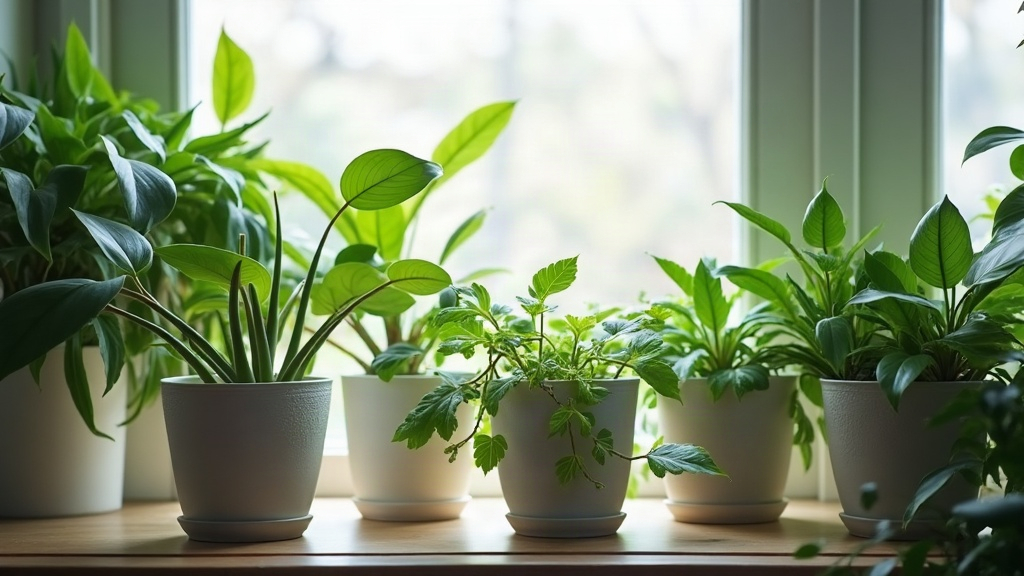
One of the first questions new plant parents ask is, “How often should you water houseplants?” There is no single answer that works for every plant. A better approach is to water according to the species, its growing conditions, and the moisture actually present in the potting mix. Overwatering, not neglect, is the most common reason indoor plants die. Knowing when to put down the watering can matters just as much as knowing when to pick it up—and adjusting your seasonal houseplant care routine helps ensure you’re providing the right amount of water year-round.
The Golden Rule: Ditch the Strict Schedule
It is tempting to water every plant on Sunday morning and call it done. In practice, that routine causes problems. A plant near a sunny south-facing window may use up its moisture in five days during a warm July week. The same plant could take two or three weeks to dry out in a dim, cool room in January.
Watering by the calendar ignores those changes. If the soil is still wet when you add more water, the roots lose access to oxygen, which creates ideal conditions for rot and fungal disease.
Rather than asking when to water, focus on how to check whether your plant is thirsty.
Key Factors That Affect Watering Frequency
Several variables affect how quickly soil dries:
- Plant Type: Succulents and cacti store water in their thick leaves, stems, or roots, so they need long dry periods between waterings. Tropical plants such as Calatheas and Ferns usually prefer soil that stays lightly and consistently damp.
- Light and Temperature: A plant receiving several hours of bright direct sun will use water far faster than one in a low-light corner. Warm rooms and dry indoor air also speed up evaporation, especially when central heating runs through winter.
- Pot Size and Material: A 4-inch nursery pot contains little soil and can dry quickly. A large floor planter may hold moisture for weeks. Unglazed terracotta is porous, allowing moisture to evaporate through the pot walls, while plastic and glazed ceramic containers retain moisture longer.
- Seasons: Most houseplants slow their growth in fall and winter. With less light and slower growth, they use much less water than they do in spring and summer.
How to Tell When Your Houseplants Need Water
Check the soil before watering. These methods are reliable and easy to use:
- The Finger Test: Push your index finger 1 to 2 inches into the potting mix. If it feels cool or damp, leave the plant alone for a few more days. If it feels dry at that depth, most standard houseplants are ready for water.
- The Lift Test: Lift the pot right after watering and notice its weight. Try again a week later. Dry soil is noticeably lighter than wet soil. After a few checks, you can often tell whether a plant needs water simply by picking it up.
- Use a Moisture Meter: For a large Monstera, palm, or other floor plant, your finger may not reach far enough into the root zone. Insert a moisture-meter probe into the soil for a dry-to-wet reading.
- Visual Cues: Plants often give advance warning. Watch for leaves losing their shine, gentle drooping, or soil shrinking away from the inner edge of the pot.
Common Watering Mistakes to Avoid
A healthy indoor garden usually comes down to avoiding a few repeat mistakes.
Overwatering
Overwatering does not always mean pouring in too much water at one time. More often, it means watering again before the soil has had a chance to dry and the roots have had a chance to breathe. Warning signs include yellow leaves, soft black stems, a musty odor from the potting mix, and fungus gnats hovering around the soil.
Every pot should have drainage holes. If water cannot escape, it collects around the roots, even if you are otherwise careful.
Underwatering
Underwatering is usually less deadly than overwatering, but prolonged dryness can still harm a plant. Look for crisp brown leaf edges, severe wilting, and dry, brittle new growth.
When a plant has become extremely dry, water may rush down the sides of the shrunken soil and out of the drainage hole without soaking the root ball. In that case, bottom-water it: place the pot in a bowl or sink with water for about 30 minutes, then let excess water drain away. This gives the soil time to rehydrate evenly.
Conclusion
How often should you water houseplants? Check them every few days, then water only when they need it. For many tropical plants, that means waiting until the top few inches of soil are dry. For succulents, wait until the soil is completely dry.
Pay attention to light, temperature, pot type, and seasonal changes. A quick soil check takes less than a minute and can prevent the most common houseplant problem, keeping your indoor greenery healthy throughout the year.