Bottom Watering vs Top Watering African Violets: Which Wins?
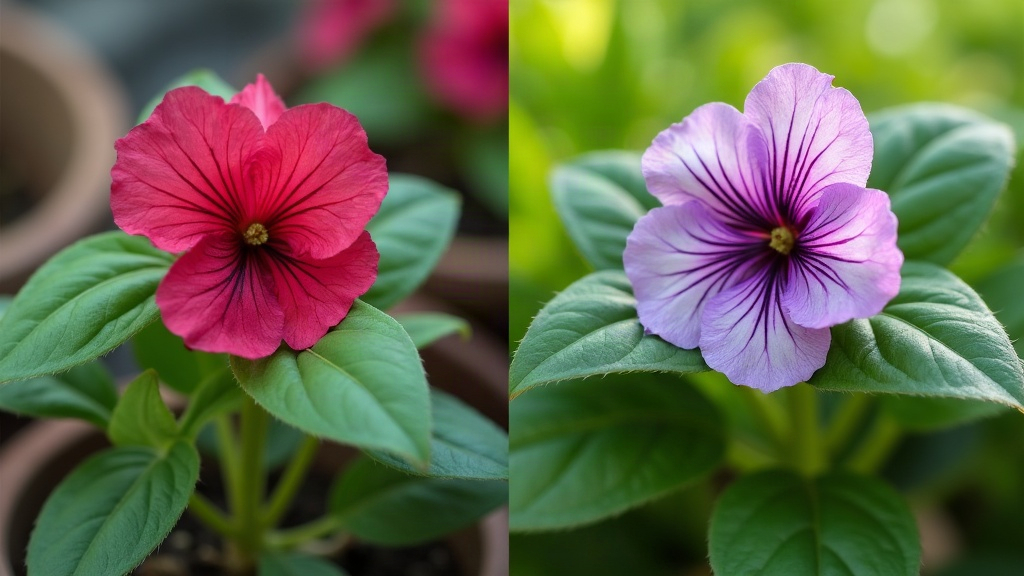
If you want more African violet blooms, bottom watering generally wins over top watering. It protects the fuzzy leaves from rot, delivers moisture evenly to the roots, and encourages the kind of steady, stress-free growth that triggers flowering. Top watering isn’t forbidden, but it comes with risks that can quietly sabotage your plant’s bloom cycle if you’re not paying attention.
Why Watering Method Matters So Much for African Violets
African violets (Saintpaulia) are famously touchy about water touching their leaves. Their fuzzy foliage traps moisture, and that’s what leads to those ugly brown or yellow ring spots, caused by cold water shocking the leaf cells on contact. It’s not just cosmetic damage either. Inconsistent watering throws off the plant’s whole energy balance, and a stressed violet spends its resources on survival instead of flowers. Makes sense when you think about it: a plant fighting root rot has no energy left over for blooming.
Bottom Watering: The Preferred Method
Bottom watering means placing the pot in a saucer or tray of water and letting the soil pull moisture up through the drainage holes from below.
How to do it:
- Fill a saucer or shallow dish with room-temperature water.
- Set the pot in the water, making sure the drainage holes sit submerged about half an inch.
- Let it sit for 20 to 30 minutes, or until the soil surface feels moist to the touch.
- Remove the pot and dump out any leftover water in the saucer after 30 minutes. African violets genuinely hate “wet feet.”
Benefits for blooming:
- No leaf spotting: Leaves stay completely dry, which eliminates one of the most common reasons violets just stop flowering.
- Deep, even root hydration: Water moves upward through capillary action, reaching roots all the way through instead of just wetting the top layer of soil.
- Reduces crown rot risk: Water never pools in the central crown, where new leaves and flower stalks emerge. That spot is a frequent cause of plant collapse when it stays soggy.
- Encourages root development: Healthier, more extensive roots mean better nutrient uptake, and that directly fuels bloom production.
A lot of growers skip the saucer altogether and use self-watering pots or wick systems instead. These are basically a hands-off version of bottom watering, and they tend to produce some of the most prolific bloomers you’ll see.
Top Watering: When and How It Can Work
Top watering, pouring water straight onto the soil surface, isn’t automatically a bad move. It does one thing bottom watering can’t: it flushes out mineral salt buildup left behind by fertilizer.
If you top water, follow these rules:
- Use room-temperature or lukewarm water only. Cold water causes leaf spotting almost on contact.
- Pour slowly around the soil edge, staying well clear of the crown and foliage.
- A narrow-spout watering can makes this much easier to control.
- Let excess water drain fully. Never let the pot sit in standing water for hours at a time.
Downsides:
- It’s easy to splash the leaves by accident, especially with a wide-mouth can.
- Harder to gauge how much water actually reaches the root zone, and how evenly.
- More prone to overwatering the top layer while the bottom of the pot stays bone dry.
So Which Method Actually Promotes More Blooms?
Bottom watering wins for everyday care, plain and simple, because consistency is what African violets crave. Experienced growers report, over and over, that violets watered from below bloom more reliably and for longer stretches. The reason is pretty straightforward: they skip the stress cycles that come from leaf damage and root rot.
That said, the best long-term approach combines both methods:
- Bottom water for your regular routine, roughly every 5 to 7 days, whenever the top inch of soil feels dry.
- Top water occasionally, about once a month, to flush out the excess fertilizer salts that build up from repeated bottom watering and can quietly inhibit flowering over time.
Other Bloom-Boosting Watering Tips
- Stick to room-temperature water, always. Cold water shocks roots and leaves alike, no exceptions.
- Pick a well-draining, lightweight African violet potting mix so neither method leaves the roots sitting in waterlogged soil.
- Feed with a balanced African violet fertilizer diluted to quarter-strength every other watering, not every single time.
- Keep humidity around 40 to 60% and keep the plant out of direct afternoon sun. That kind of heat stresses the plant no matter how carefully you water it.
Conclusion
Make bottom watering your default. It keeps the leaves spot-free, the roots healthy, and the crown rot-free, and all three feed directly into better flowering. Save top watering for the occasional fertilizer flush, always with lukewarm water and a steady hand. Combine the two thoughtfully, and your African violets should keep rewarding you with steady, vibrant blooms through the year.