Liquid Synthetic Fertilizer vs Worm Castings for Citrus Trees
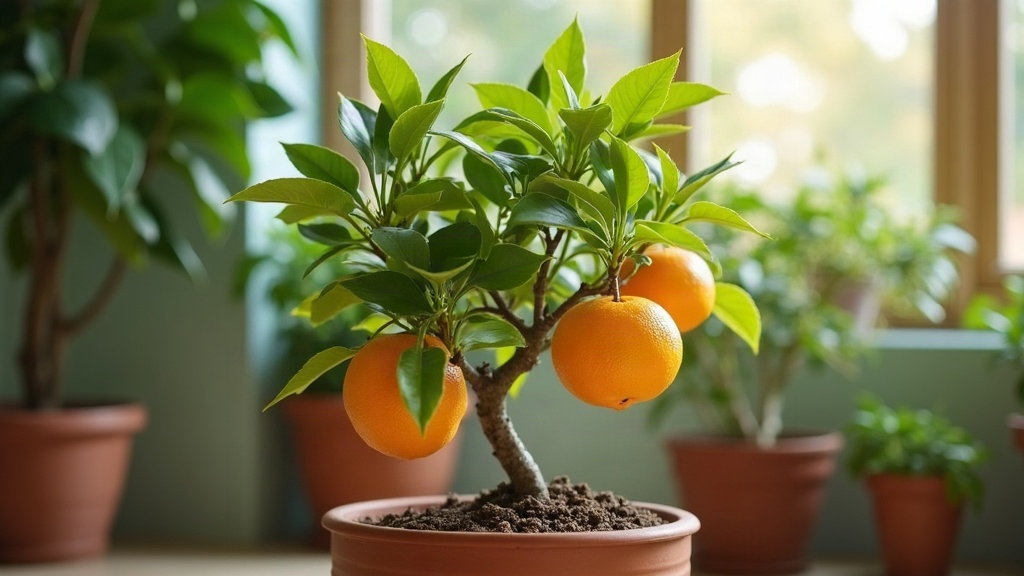
Choosing between liquid synthetic fertilizer and organic worm castings for your indoor potted citrus tree really comes down to one tradeoff: speed versus sustainability. Liquid synthetic fertilizers deliver a fast, measurable nutrient hit that citrus roots absorb almost instantly. Worm castings work the opposite way: they build long-term soil health, strengthen root resilience, and practically eliminate the risk of fertilizer burn, but the payoff takes weeks, not days. For most indoor citrus growers, the real answer isn’t picking a winner. It’s understanding how each product behaves inside a pot, which is a completely different environment from open garden soil.
Why Indoor Citrus Trees Need Different Fertilizer Logic
Potted citrus trees, think Meyer lemon, calamondin, kumquat, dwarf orange, behave nothing like their in-ground cousins. Their roots are boxed in, soil volume is tiny by comparison, and every watering session washes nutrients straight out the drainage holes. A few consequences follow from that:
- Deficiencies show up faster indoors than they ever would in a yard.
- Overfeed with synthetic salts and there’s no rain to flush the pot, so they just accumulate.
- The microbial life that quietly recycles nutrients in garden soil is almost nonexistent in a bag of sterile potting mix.
None of this is trivia. It’s the reason one fertilizer type genuinely outperforms the other depending on what your tree needs right now.
Liquid Synthetic Fertilizer: Pros and Cons
Liquid synthetic fertilizers, think 7-3-7 or a citrus-specific NPK blend, are mineral salts dissolved in water. Roots can take them up almost the moment you water.
Pros:
- Fast green-up: new leaf growth often visible within 1-2 weeks.
- Precise NPK ratios built for citrus (more nitrogen for foliage, more potassium when fruiting).
- Dead-easy dosing with a dropper or the cap’s measurement line.
- A solid “rescue” option for yellowing leaves (nitrogen deficiency) or weak flowering (phosphorus/potassium shortfall).
Cons:
- Salt buildup over time, especially with tap water, which shows up as crispy, burnt leaf tips.
- Zero soil-building value. It doesn’t feed the microbes that actually sustain a healthy root zone.
- Needs smaller, more frequent doses (every 2-4 weeks) or you risk shocking the plant.
- Painfully easy to overdo it, and an overfed citrus tree drops leaves fast.
Worm Castings: Pros and Cons
Worm castings (vermicompost) are organic matter that’s been through an earthworm’s gut. What comes out the other end is loaded with microbial life, humic acids, and nutrients that release slowly over time.
Pros:
- Improves structure, water retention, and aeration, all things that matter a lot once potting soil starts compacting after a year or two.
- Nearly impossible to burn roots with, even if you’re generous with it.
- Brings in beneficial microbes that help citrus roots actually use the nutrients already in the soil.
- Builds long-term resilience; a healthier root system shrugs off pests like spider mites far better than a stressed one.
Cons:
- Nutrient content is modest and slow to release, not enough on its own for a tree that’s heavy with fruit.
- Won’t fix an acute problem overnight. Yellow leaves today won’t be green next week just because you added castings.
- Needs topping up every 2-3 months to keep the benefit going.
Side-by-Side Comparison
| Factor | Liquid Synthetic Fertilizer | Worm Castings |
|---|---|---|
| Speed of results | Fast (1-2 weeks) | Slow (4-8 weeks) |
| Risk of burn | Moderate to high | Very low |
| Soil health impact | None, or negative long-term | Strong positive |
| Best for | Quick deficiency fixes, fruiting boost | Long-term soil vitality, root health |
| Application frequency | Every 2-4 weeks | Every 2-3 months |
| Cost per application | Low | Moderate (bulkier product) |
The Best Approach: Combine Both
Ask any grower who’s kept a citrus tree alive indoors for more than a year or two, and they’ll tell you they don’t rely on just one product. They layer both.
- Base layer: Work worm castings into the potting mix at planting time, or top-dress twice a year, to build a living root environment that actually supports itself.
- Active season boost: Through spring and summer, when the tree is pushing new growth and setting fruit, add a diluted liquid citrus fertilizer every 3-4 weeks.
- Winter dormancy: Pull back on synthetic feeding almost completely. Let the castings keep releasing slowly while the tree rests.
This hybrid approach cancels out the main flaw in each method: the salt creep from synthetic fertilizer and the sluggish pace of organic amendments alone.
Signs You’re Using the Wrong One
- Yellowing leaves with green veins: that’s nitrogen or iron deficiency, and a liquid fertilizer will correct it faster than castings ever could.
- Brown, crispy leaf edges: almost always synthetic salt buildup. Flush the soil thoroughly with water and switch to castings for a season to recover.
- Stunted growth even though you’re feeding regularly: the soil structure itself is the problem. Add worm castings to rebuild root function before reaching for more fertilizer.
Conclusion
For an indoor potted citrus tree, liquid synthetic fertilizer and worm castings aren’t really competing products, they’re solving two different problems. Synthetic fertilizer gives the tree the quick nutrient punch it needs to flower and fruit on schedule. Worm castings quietly build a root environment that can actually sustain that effort over years, not just one growing season. So instead of asking which one is “better,” the smarter question is how to use them together: castings as the long-term foundation, liquid fertilizer as the seasonal push, so your citrus tree gets both the fast nutrition and the lasting vitality it needs to thrive in a pot.