Terra Cotta vs Plastic Pots for Moisture-Loving Indoor Ferns
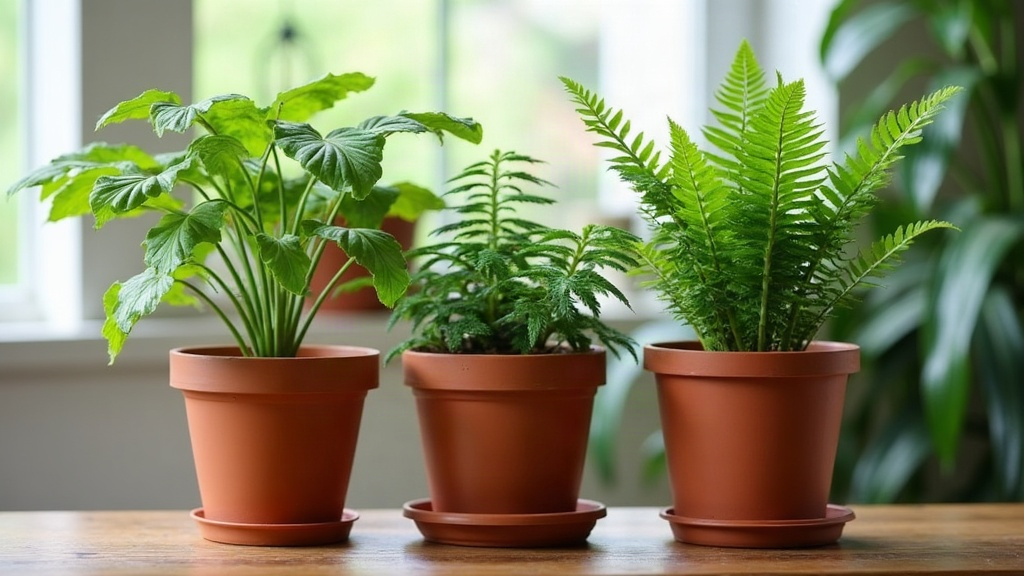
For moisture-loving indoor ferns like Boston fern, maidenhair fern, or bird’s nest fern, plastic pots generally win out over terra cotta, mostly because they hold onto moisture longer and save you from watering every other day. Terra cotta looks great and breathes well, sure, but it dries out fast, and a fern that needs constantly damp roots will let you know it’s unhappy pretty quickly. Still, the “right” answer really comes down to how often you water, what your climate is like, and which fern you’re actually growing.
Why Pot Material Matters for Ferns
Ferns grew up (evolutionarily speaking) on humid forest floors, tucked under a canopy, with soil that stayed moist and drained well at the same time. They’re nothing like a cactus or a jade plant that can shrug off two weeks of neglect. Let the soil dry out completely and within a few days you’ll see fronds wilting, browning, sometimes crisping up for good. The pot material has a direct hand in how fast that soil dries, which is exactly why this choice carries more weight for ferns than it does for, say, a pothos sitting on your bookshelf.
Terra Cotta Pots: Pros and Cons
Pros:
- Porous walls let air move through, which cuts down on root rot if you’re prone to overwatering
- Heavier base gives stability to bushy, top-heavy ferns like Boston ferns that can tip a lightweight pot
- Classic look that fits into pretty much any home style
- Keeps roots a bit cooler in summer thanks to natural temperature regulation
Cons:
- Water evaporates right through the clay, so soil can dry out 30-50% faster than it would in plastic
- In dry indoor air, or during winter with the heat running, you might be watering every 2-3 days
- Heavy, and it cracks easily if it freezes or takes a fall
- Mineral salts tend to build up on the surface over time, and some fern varieties are genuinely bothered by that
Plastic Pots: Pros and Cons
Pros:
- Non-porous walls hold moisture much longer, which is exactly what thirsty ferns want
- Light enough to move around without throwing your back out, and it won’t shatter if you bump it
- Usually cheaper, and you’ll find way more sizes and colors to choose from
- Works nicely with self-watering inserts, a real lifesaver if you travel a lot or just forget to water
Cons:
- Overwatering and root rot become bigger risks if the drainage holes aren’t up to par
- Can look a bit cheap unless you slip it inside a nicer decorative cachepot
- Holds heat more than clay, which could stress roots in a warm room during summer
Which Fern Types Prefer Which Pot?
- Boston fern, maidenhair fern, rabbit’s foot fern: Go plastic. These are famously thirsty plants that sulk (and fast) the moment soil dries out.
- Bird’s nest fern, staghorn fern: Both pot types work fine if you’re consistent with watering, though plastic gives you a bit of a buffer on the days you forget.
- Ferns living in dry climates or low-humidity homes: Plastic is nearly always the safer call here.
- Ferns owned by people who tend to overwater: Terra cotta’s breathability acts like a safety net against soggy, waterlogged soil.
The Best of Both Worlds: A Hybrid Approach
A lot of seasoned fern growers just skip the either/or debate. They use a plastic nursery pot with drainage holes, nested inside a decorative terra cotta or ceramic outer pot (what’s often called a “pot-in-pot” setup). That gets you:
- Moisture retention, courtesy of the plastic
- Good looks, courtesy of the terra cotta
- Easy repotting since you’re not disturbing the root ball at all
- The option to lift the inner pot out and check drainage after watering, no guesswork involved
Practical Tips Regardless of Pot Choice
- Make sure there are drainage holes, period. Ferns hate sitting in waterlogged soil almost as much as they hate bone-dry soil
- Use a well-draining but moisture-retentive mix (a peat-free potting soil with some perlite and coconut coir mixed in works nicely)
- Cluster your ferns together or set up a humidity tray to bump up ambient moisture, which cuts down on how often you need to water no matter which pot you’re using
- Do the finger test, push a finger 2-3 cm into the soil before watering. Ferns want moist, not swampy
Final Verdict
If what you care about most is convenience and steady moisture, plastic pots are the better pick for moisture-loving indoor ferns, no question. But if you’re attached to that terra cotta look, or you know you have a heavy hand with the watering can, the pot-in-pot trick gets you both benefits without any real trade-off. At the end of the day, though, consistent watering and solid drainage matter more than the pot material itself. That said, if you’re busy and just want the low-maintenance option, plastic wins.