DIY Lemon Juice Wipe vs. Commercial Leaf Shine for Fiddle Leaf Fig
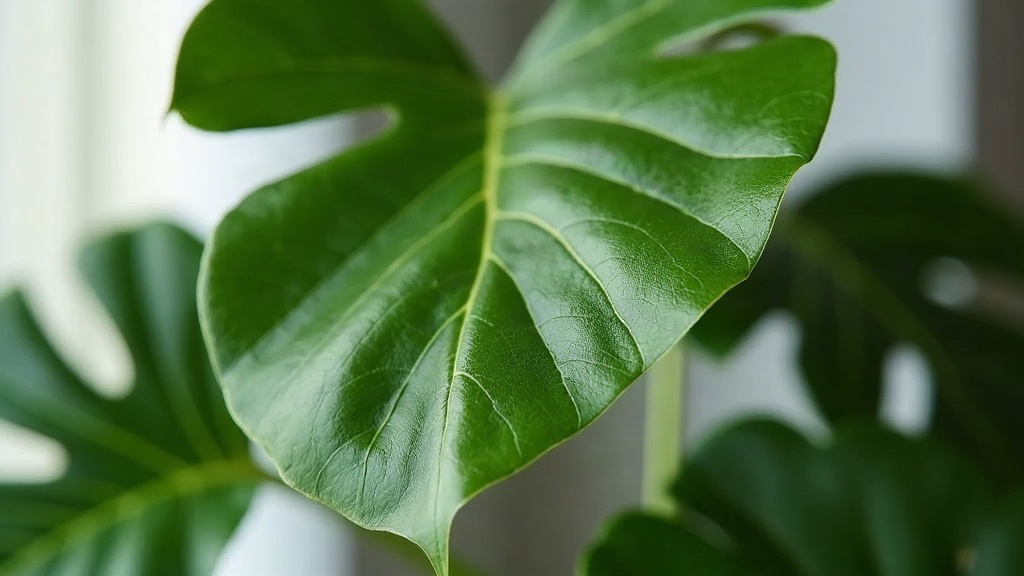
If you’ve got a Fiddle Leaf Fig sitting in your living room, you already know the drill: those big, glossy leaves look amazing when clean and embarrassingly dusty about two weeks later. So which is it: a splash of lemon juice, or one of those bottled leaf shine sprays from the garden center? Here’s the honest answer. Plain water is your safest everyday option. Lemon juice works, but only in small doses, because the acid can eat away at leaf tissue if you overdo it. And commercial shine products? Mostly a bad idea, since they tend to leave behind residue that clogs pores and ends up attracting even more dust. Let’s get into the why.
Why Bother Cleaning Fiddle Leaf Fig Leaves?
Those oversized leaves aren’t just for show. They’re covered in tiny pores, called stomata, that handle transpiration and gas exchange, basically the plant’s way of breathing. When dust piles up on the surface, a few things start going wrong:
- Less light gets through to the chlorophyll, so photosynthesis slows down
- Stomata get clogged, making it harder for the plant to “breathe” properly
- Dust creates the perfect hiding spot for spider mites, which love dry, dusty leaves
- And honestly, the plant just looks tired instead of lush
Wipe the leaves every 2 to 4 weeks and you’ll keep photosynthesis running smoothly. Bonus: it’s also the easiest way to catch early signs of pests or disease before they spread.
The DIY Lemon Juice Wipe: Pros and Cons
A lot of plant blogs push the same tip: mix lemon juice with water (roughly 1 tablespoon per cup) and wipe it on for instant shine and grime removal.
Pros:
- Cheap, natural, sitting in your fridge right now
- The mild acidity cuts through hard water mineral spots pretty effectively
- No weird synthetic chemicals involved
Cons:
- Citric acid is rougher than people realize, and Fiddle Leaf Fig cuticles are more delicate than they look. Repeated use adds up fast
- Lemon juice has sugar residue, and if you don’t rinse it off properly, it can attract gnats or leave sticky patches
- Wipe it on and then let the plant sit in direct sun? That’s basically asking for leaf scorch, the same way citrus oil burns skin in sunlight
- Use it too often and you’ll strip away the plant’s natural waxy coating, the stuff that protects against pests and water loss in the first place
Verdict: Save lemon juice for the occasional stubborn mineral spot. Always dilute it, always rinse with plain water afterward, and never apply it right before the plant heads into direct sun.
Commercial Leaf Shine Products: Pros and Cons
These sprays promise that magazine-cover glossy look in one quick spritz. Tempting, sure.
Pros:
- Fast, no-fuss application
- Leaves look instantly impressive right after spraying
Cons:
- A lot of these formulas rely on silicone or oil-based ingredients that clog stomata and mess with gas exchange
- Weeks of buildup means the “shine” layer actually starts trapping dust instead of keeping it off
- Some contain alcohol or synthetic additives that can irritate tender new growth
- There’s a documented pattern of yellowing and reduced vigor in sensitive species like Ficus Lyrata after long-term use
Verdict: Most horticulturists, and plenty of experienced Fiddle Leaf Fig owners who’ve learned the hard way, steer clear of leaf shine products entirely for this species. That glossy look is purely cosmetic. It doesn’t do the plant any favors, and the risk really isn’t worth the five minutes of shine.
The Best Method: Plain Water + Soft Cloth
For Ficus Lyrata, nothing beats the simplest approach:
- Grab a soft, lint-free microfiber cloth or a soft sponge
- Dampen it with room-temperature filtered or distilled water (tap water tends to leave behind mineral spots over time)
- Wipe each leaf gently, supporting it from underneath so you don’t tear it
- Let it air dry naturally, keep it out of direct sun right after cleaning
- Got dust stuck in tight leaf joints? A soft, dry paintbrush handles that nicely
If hard water spots are your main issue, try a very diluted vinegar-water mix instead (about 1 teaspoon per cup, rinsed off afterward). It’s gentler than lemon juice and does the job just as well.
When to Skip Cleaning Altogether
- Don’t wipe leaves within 24 hours of fertilizing, the residue can react with the nutrients
- Hold off on cleaning any leaf showing active pest damage until you’ve treated it
- Never clean leaves while the plant is sitting in harsh, direct sunlight
Conclusion
Both the lemon juice trick and bottled leaf shine sprays come with real downsides for a Fiddle Leaf Fig’s sensitive foliage: acid damage on one hand, pore-clogging residue on the other. If you want consistently healthy, good-looking leaves, stick to plain water and a soft cloth as your go-to method. Save lemon juice for the rare mineral deposit, always diluted, always rinsed off after. Treat the plant gently and it’ll pay you back with cleaner, healthier, genuinely shinier leaves. No shortcuts needed.