Upgrading from Tap Water: Switch to Distilled Water for Prayer Plants
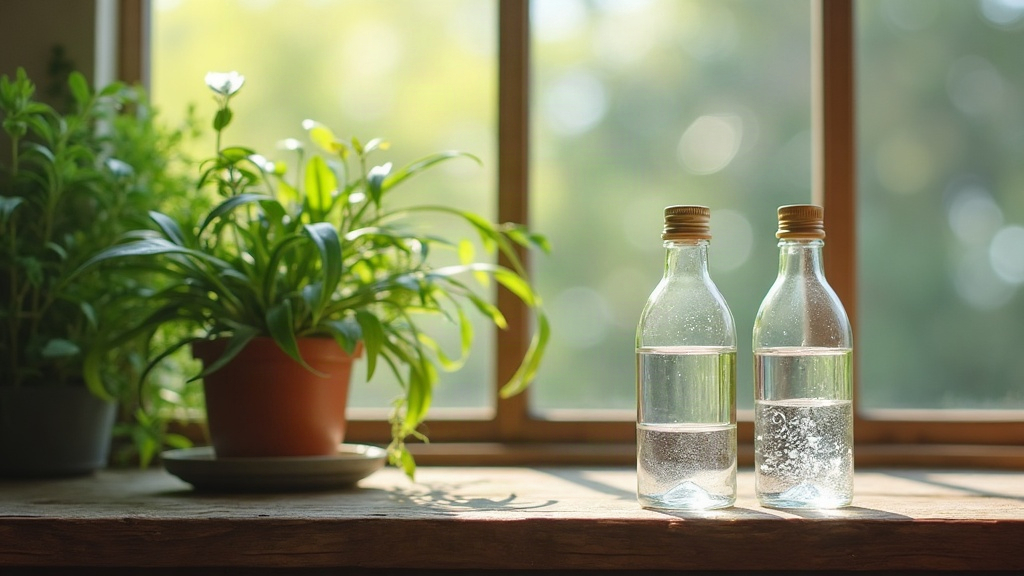
Prayer plants (Maranta leuconeura and their cousins, Calathea and Ctenanthe) have a reputation for being fussy about water, and sooner or later almost every grower asks the same question: is it time to ditch tap water for distilled? Short answer: yes, if you’re seeing brown edges, crispy tips, or new leaves that come in smaller and weaker than they should. Switching to distilled (or filtered, or rain) water is one of the easiest fixes in houseplant care, and you’ll often see a difference within two or three waterings.
Why Prayer Plants Hate Tap Water So Much
Pothos and snake plants shrug off almost anything you throw at them. Prayer plants aren’t built that way. They came up in humid rainforest understories with soft, mineral-poor water, so their thin leaves and shallow roots react badly to chemical buildup that tougher species barely notice. Tap water usually carries a mix of:
- Chlorine and chloramine – disinfectants that, over time, can damage root hairs
- Fluoride – the usual suspect behind leaf-tip burn in Maranta and Calathea
- Dissolved minerals (calcium, magnesium) – these build up in the soil, push the pH up, and lock out nutrients the plant actually needs
- Salts from water softeners – ironically, “soft” tap water treated with sodium is often harder on plants than regular hard water
Outdoors, rain flushes this stuff out of the soil regularly. Indoors, in a pot, there’s nowhere for it to go. It just keeps accumulating, week after week.
Signs It’s Time to Switch
If your plant looks happy, don’t fix what isn’t broken. But keep an eye out for:
- Crispy, brown leaf margins — the textbook sign of chlorine or fluoride sensitivity
- A white, crusty crust on the soil surface or around the pot rim (that’s mineral salt, not mold)
- New growth that’s slow or oddly distorted, even though light and humidity look fine
- Leaves browning from the tip inward, despite a watering schedule you haven’t changed
Two or more of these showing up together? Water quality is a solid suspect, especially if you live somewhere with notoriously hard water or your city’s water report flags high chlorine or fluoride.
Distilled Water vs. Other Options
| Water Type | Pros | Cons |
|---|---|---|
| Distilled | Zero minerals/chemicals, safest for sensitive plants | Costs money, slightly wasteful |
| Filtered (carbon/Brita) | Removes chlorine taste/odor, affordable | Doesn’t remove fluoride or dissolved minerals |
| Rainwater | Free, naturally soft, mimics native habitat | Needs collection setup, can have pollutants in urban areas |
| Tap water, rested 24h | Removes chlorine (not chloramine or fluoride) | Minimal improvement for sensitive species |
For prayer plants specifically, distilled wins out. It’s the only option on this list that strips out both the fluoride and the dissolved minerals that filters and a simple overnight rest just can’t touch.
How to Make the Switch Without Shocking Your Plant
- Go gradual — for the first 2-3 waterings, mix distilled and tap water 50/50. Jumping straight to 100% distilled can shock the soil chemistry more than you’d expect.
- Flush the soil first — run distilled water through the pot until it flows freely out the drainage holes, and repeat this 2-3 times to clear out whatever’s already built up.
- Cut off the damaged leaves — brown tips are permanent, they won’t green back up. Trimming them frees the plant to put energy into fresh growth instead.
- Don’t touch your watering schedule — prayer plants like soil that’s evenly moist, never soggy. Change the water source, not how often you water.
Is Distilled Water Overkill for Beginners?
Honestly? Not every plant on your shelf needs this treatment. If you’re new to houseplants, start with tap water and just watch for trouble signs, no need to overcomplicate things on day one. But if you’ve got a variegated Maranta or a Calathea orbifolia you’ve been babying for months, spending an extra dollar or two on a gallon of distilled water is cheap insurance against a slow, frustrating decline. A lot of experienced growers settle into a simple split: distilled or filtered water for the Marantaceae family, regular tap water for the tougher stuff like philodendrons or ZZ plants.
Conclusion
Prayer plants pay you back for careful attention, and water quality is one of the things people overlook longest before they figure out what’s wrong. Crispy edges, a crusty soil surface, growth that’s stalled out: all signs worth taking seriously. Switching to distilled water, combined with a soil flush and a gradual transition, costs almost nothing and makes a real difference. Give it a few weeks after the switch, and most growers start seeing cleaner, healthier new leaves, proof that for a plant this sensitive, water matters just as much as light or humidity ever did.